
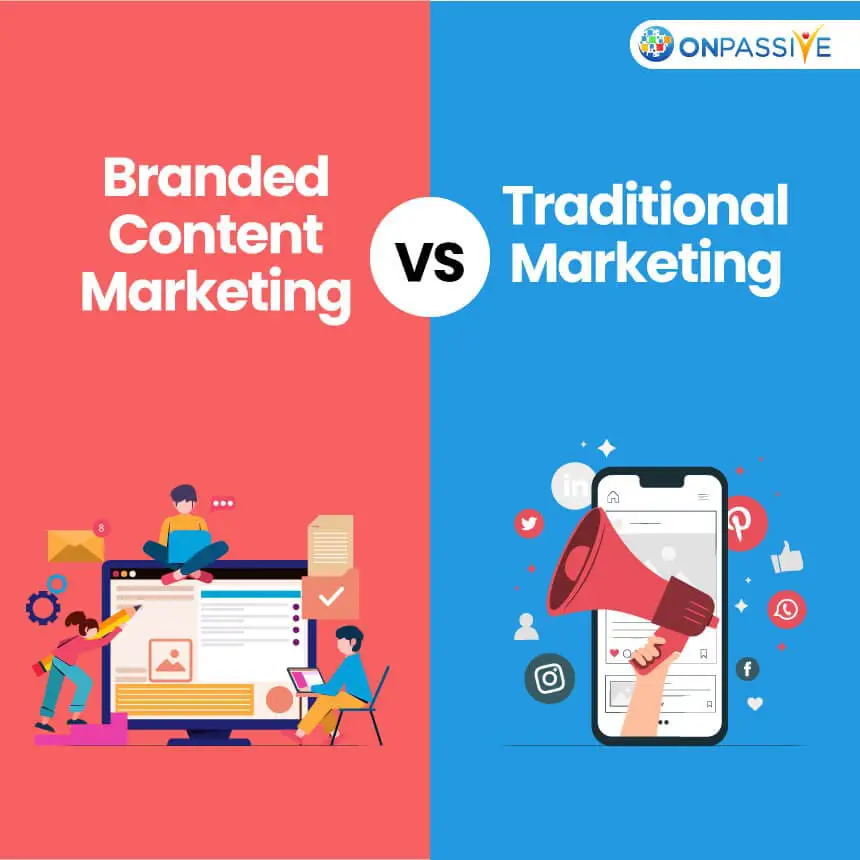
In the world of digital marketing, two strategies stand out as effective ways to improve your website’s visibility and credibility: content marketing and traditional link building. Both techniques have their merits, but which one really works best? Content marketing focuses on creating high-quality, valuable content to attract and engage your target audience, while traditional link building involves acquiring backlinks from external websites to improve your search engine rankings. In this article, we will explore the strengths and weaknesses of each approach and help you determine which one is the right fit for your business. So, let’s dive into the fascinating world of content marketing versus traditional link building and discover which strategy reigns supreme.

Definition of Content Marketing
Explanation of content marketing
Content marketing is a strategic approach that involves creating and distributing valuable and relevant content to attract and engage a specific target audience. It focuses on providing informative, entertaining, or inspiring content that addresses the needs and interests of the audience, rather than directly promoting a brand or product. The goal of content marketing is to build trust, establish authority, and nurture long-term relationships with customers.
Importance of content marketing
Content marketing is an essential component of any successful marketing strategy. It provides businesses with the opportunity to connect with their audience on a deeper level and build meaningful relationships. By consistently creating and sharing valuable content, businesses can establish themselves as thought leaders in their industry, earning the trust and loyalty of their target audience. Furthermore, content marketing helps drive organic traffic to websites, increase brand awareness, and ultimately, generate leads and conversions.
Definition of Traditional Link Building
Explanation of traditional link building
Traditional link building refers to the practice of acquiring backlinks from external websites to improve the search engine ranking of a target website. It focuses on building a network of links that point back to a website, signaling its relevance and credibility to search engines. Traditional link building techniques include methods such as directory and article submissions, reciprocal linking, and reaching out to webmasters for link placements.
Importance of traditional link building
Traditional link building has long been a crucial aspect of search engine optimization (SEO) and is still relevant today. Search engines consider the quality and quantity of backlinks as a ranking factor, making it essential for websites to acquire authoritative and relevant links. By improving a website’s link profile, traditional link building can significantly boost its visibility in search engine results pages (SERPs) and increase referral traffic from other websites, ultimately leading to potential customers discovering and engaging with the website’s content.

Goals of Content Marketing
Increasing brand awareness
One of the primary goals of content marketing is to increase brand awareness. By consistently creating and sharing valuable content, businesses can expose their brand to a wider audience and establish themselves as authorities in their industry. Through informative articles, engaging videos, or entertaining social media posts, businesses can attract potential customers, who may then become familiar with their brand.
Driving organic traffic
Content marketing aims to drive organic traffic to a website. By creating high-quality content that is optimized for search engines, businesses can attract potential customers who are actively searching for information or solutions related to their industry. When a website ranks well in search engine results for relevant keywords, it increases the likelihood of attracting organic traffic, which can result in more leads and conversions.
Building customer trust and loyalty
Content marketing focuses on building trust and loyalty with the target audience. By consistently delivering valuable and helpful content, businesses can establish themselves as reliable sources of information. This helps foster trust between the brand and its customers, increasing the likelihood of repeat business and inspiring customer loyalty. When customers perceive a brand as trustworthy, they are more likely to recommend it to others, further expanding brand awareness and reach.
Goals of Traditional Link Building
Improving website ranking on search engines
The primary goal of traditional link building is to improve a website’s ranking on search engines. Search engines consider backlinks as a strong signal of a website’s relevance and authority. By acquiring high-quality backlinks from authoritative websites, a website can improve its visibility in search engine results pages, ultimately leading to more organic traffic and potential customers finding the website during their online searches.
Increasing referral traffic
Another goal of traditional link building is to increase referral traffic from external websites. When a website receives backlinks from other websites, it creates opportunities for visitors to click on those links and land on the website. This referral traffic can provide businesses with a new source of potential customers who may be interested in their products or services. By strategically acquiring relevant backlinks, businesses can drive targeted referral traffic to their website, increasing the chances of conversions.

Strategies and Tactics in Content Marketing
Creating high-quality and valuable content
Creating high-quality and valuable content is a core strategy in content marketing. By producing content that is informative, entertaining, or helpful to the target audience, businesses can attract and engage potential customers. This could include blog articles, videos, podcasts, infographics, or social media posts that address common pain points or provide solutions to specific problems. The key is to prioritize the needs and interests of the audience over direct promotion of the brand or product.
Utilizing SEO techniques
Implementing SEO techniques in content marketing is crucial for ensuring that the content reaches its intended audience. This includes conducting keyword research to identify relevant and popular search terms, optimizing content with those keywords, and improving on-page elements such as meta tags, headings, and alt tags. By effectively optimizing content for search engines, businesses can increase the visibility of their content in search engine results, driving organic traffic to their website.
Implementing social media marketing
Social media marketing plays a vital role in content marketing. By sharing content on social media platforms, businesses can reach a wider audience and increase brand visibility. Social media platforms provide an opportunity for businesses to engage directly with their target audience, creating a sense of community and fostering brand loyalty. Additionally, social media sharing of content can amplify its reach and potential for virality, increasing its exposure to potential customers.
Guest blogging and influencer collaborations
Collaborating with influencers or guest blogging on established websites in the industry is an effective tactic in content marketing. By leveraging the audience and credibility of influencers or established websites, businesses can expand their reach and gain exposure to a new audience. Guest blogging allows businesses to share their expertise and insights with a different audience, while influencer collaborations can help build credibility and trust with the influencer’s loyal followers.
Email marketing
Email marketing is a valuable tactic in content marketing for nurturing relationships with existing and potential customers. By building an email list and sending regular newsletters or targeted email campaigns, businesses can deliver personalized and relevant content directly to the inbox of their audience. Email marketing allows businesses to stay top-of-mind with their customers, share exclusive content or promotions, and ultimately drive traffic back to their website.
Strategies and Tactics in Traditional Link Building
Building reciprocal links
Building reciprocal links involves exchanging links with other websites in the same industry or niche. This method relies on the principle of mutual benefit, where both websites agree to link to each other, reinforcing their relevance and authority to search engines. However, it is important to approach reciprocal link building with caution, as search engines have become more sophisticated in identifying and devaluing manipulative link schemes.
Seeking directory and article submission links
Another traditional link building tactic is seeking links from directories and article submission websites. This involves submitting a website to relevant directories or submitting articles with embedded links to article directories. While these directories and article submission websites may not carry as much weight as they once did, they can still provide valuable backlinks and referral traffic if chosen carefully and aligned with the website’s niche or industry.
Participating in relevant forums and communities
Participating in relevant online forums and communities is a tactic that can help build links and grow website authority. By actively engaging in discussions, answering questions, and providing valuable insights, businesses can establish themselves as experts in their field. This can lead to opportunities for natural link building, as other community members may reference or link to the business’s website as a trusted resource.
Reaching out to webmasters for link placements
Reaching out to webmasters or website owners in the same industry and requesting link placements is a traditional link building strategy. This involves identifying websites that are relevant and authoritative, then contacting the webmasters to propose the inclusion of a backlink to the business’s website. This tactic requires a personalized and persuasive outreach approach, showcasing the value and relevance of the content or resource that the business offers.
Benefits of Content Marketing
Long-term sustainable results
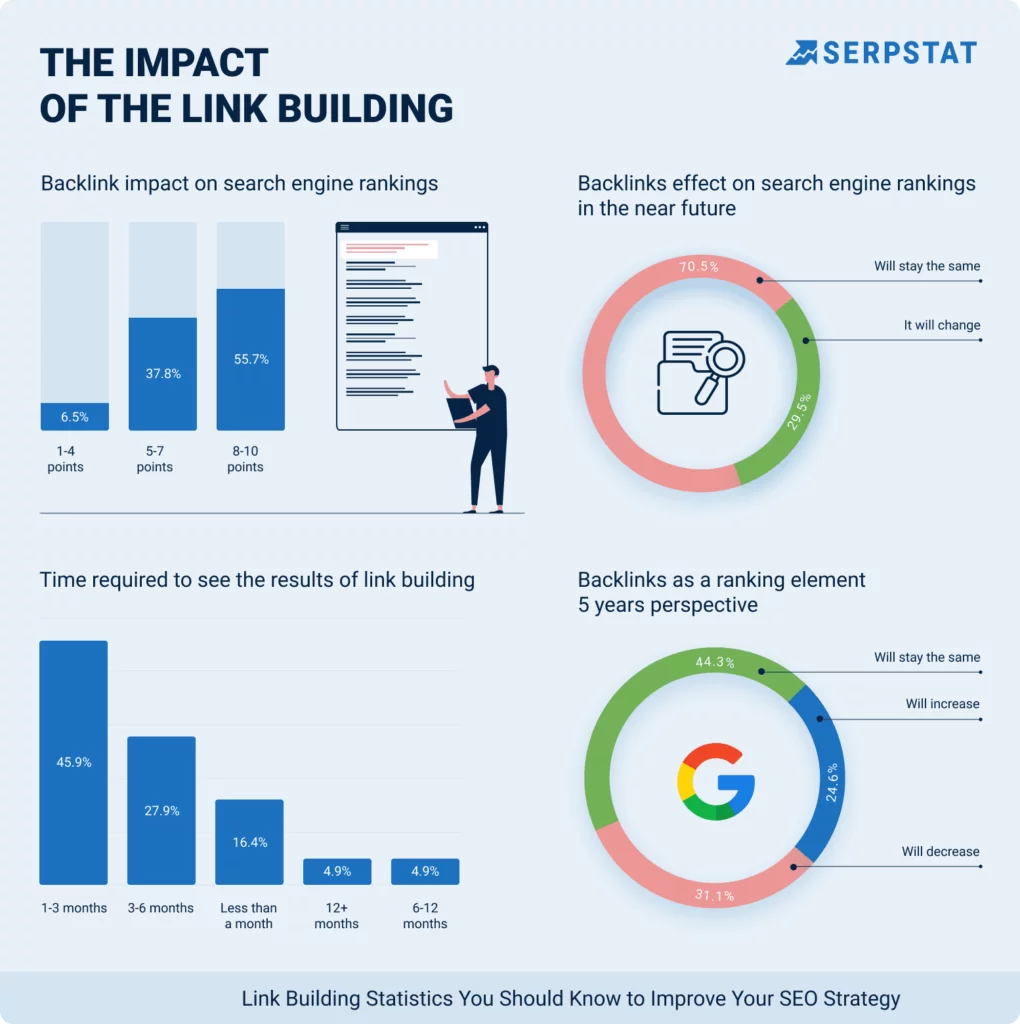
One of the key benefits of content marketing is its ability to generate long-term sustainable results. Unlike traditional advertising or promotional tactics that have a limited lifespan, well-executed content marketing efforts can continue to drive traffic and generate leads long after the initial content is created and shared. High-quality content can attract organic traffic and engagement for months or even years, providing a steady stream of opportunities for business growth.
Increased brand visibility and credibility
Content marketing plays a crucial role in increasing brand visibility and credibility. By consistently delivering valuable content, businesses can position themselves as trusted authorities within their industry. This increases the visibility of their brand as more individuals discover and engage with their content. As businesses establish credibility and trust with their audience through informative and helpful content, they become top-of-mind when their audience requires products or services in the future.
Engagement with the target audience
Through content marketing, businesses can actively engage with their target audience. By delivering content that resonates with their audience’s needs and interests, businesses can encourage comments, shares, and discussions. This two-way interaction fosters a sense of community and builds strong relationships with customers. Continual engagement and interaction allow businesses to understand their audience better, tailor their content to their audience’s preferences, and continually improve their products or services based on customer feedback.
Opportunity for viral and shareable content
Content marketing provides businesses with the opportunity to create viral and shareable content. When content resonates with the audience and provides value, it is more likely to be shared across social media platforms or mentioned in online discussions. Viral and shareable content can quickly reach a wider audience and generate significant brand exposure. This not only increases brand visibility but also creates opportunities for new leads and customers who may have been introduced to the brand through the viral content.
Benefits of Traditional Link Building
Immediate boost in search engine rankings
One of the primary benefits of traditional link building is its ability to provide an immediate boost in search engine rankings. When a website acquires high-quality backlinks from authoritative websites, search engines perceive it as more relevant and authoritative, resulting in a higher ranking in search engine results. This immediate boost in rankings can lead to increased visibility and higher organic traffic, potentially generating more leads and conversions.
Improved website authority and domain trust
Traditional link building helps improve website authority and domain trust. Search engines view backlinks from reputable and relevant websites as endorsements of a website’s credibility and authority. By acquiring high-quality backlinks, a website can signal to search engines that it is a trustworthy source of information or products. This leads to improved domain trust, which can positively impact the website’s rankings and overall visibility in search engine results.
Qualified referral traffic
One of the main benefits of traditional link building is its ability to drive qualified referral traffic to a website. Backlinks from relevant and reputable websites can attract visitors who are genuinely interested in the content or products offered by the website. This targeted referral traffic is more likely to convert into leads or customers, as they have already shown interest in the brand or industry based on their engagement with the referring website. By strategically acquiring backlinks, businesses can tap into new sources of qualified traffic and potential customers.
Limitations of Content Marketing
Time-consuming process
Content marketing can be a time-consuming process. Creating high-quality content requires research, planning, and careful execution. Additionally, consistently producing fresh and relevant content can be a challenge, especially for businesses with limited resources or expertise in content creation. However, investing time and effort into content marketing can yield significant long-term benefits and help businesses establish themselves as industry leaders.
Requires continuous content creation and promotion
Content marketing requires continuous content creation and promotion to remain effective. Simply creating great content is not enough; businesses must actively promote their content to reach their intended audience. This involves sharing content on social media platforms, optimizing content for search engines, and engaging with the audience through comments and discussions. Consistency is key in content marketing, and businesses must allocate sufficient resources and time to consistently produce and promote valuable content.
Results may take longer to be noticeable
Unlike traditional advertising or marketing tactics that may yield immediate results, content marketing may take longer to produce noticeable results. Building brand awareness, establishing credibility, and nurturing relationships with customers through content marketing is a gradual process that requires patience and persistence. It may take time for businesses to see a significant increase in traffic or conversions, as it relies on consistently delivering value and building trust over time.
Integration of Content Marketing and Traditional Link Building
Using content marketing to attract natural backlinks
Content marketing can be used as a strategy to attract natural backlinks. By consistently producing high-quality and valuable content, businesses can encourage other websites and individuals to link to their content as a trusted resource. When content is genuinely helpful and informative, it becomes more likely to be cited or referenced by others. This naturally leads to the acquisition of backlinks, improving a website’s visibility in search engine results and boosting its authority and credibility.
Optimizing content for link acquisition
Optimizing content for link acquisition is a key aspect of integrating content marketing and traditional link building. By strategically including relevant keywords and creating link-worthy assets within the content, businesses can increase the chances of attracting backlinks. Examples of link-worthy assets could include original research, detailed guides, infographics, or unique insights. When content is optimized for link acquisition, it becomes more attractive to other websites and individuals who may find value in linking to it.
Creating link-worthy assets within content
Creating link-worthy assets within the content is an effective way to integrate content marketing and traditional link building. By producing content that contains valuable resources, insightful analysis, or thought-provoking ideas, businesses can create assets that naturally attract backlinks. These assets act as valuable resources for others in the industry, making them more likely to link to or reference the content. Creating link-worthy assets within content ensures that businesses are providing value to their audience while also generating opportunities for valuable backlinks.
In conclusion, both content marketing and traditional link building play significant roles in a comprehensive marketing strategy. While content marketing focuses on creating and distributing valuable content to engage with the audience and build trust, traditional link building aims to improve website visibility and search engine rankings through acquiring backlinks. By implementing the right strategies and tactics, businesses can benefit from increased brand visibility, credibility, organic traffic, and referral traffic. Integrating content marketing and traditional link building allows businesses to attract natural backlinks and optimize content for link acquisition, ultimately fostering long-term sustainable results and improving the overall success of their marketing efforts.