
Welcome to the ultimate guide on selecting the perfect anchor text for your link building strategy! In this article, we will explore the different types of anchor text, the best practices for choosing the most effective anchor text for your links, and how to avoid common pitfalls. By the end of this read, you will have the knowledge and confidence to optimize your link building efforts and drive more traffic to your website. Let’s dive in and discover the key to successful link building through strategic anchor text selection. Hey there! Are you looking to boost your website’s SEO through link building, but not sure where to start? Choosing the right anchor text plays a crucial role in the success of your link building strategy. In this article, we’ll dive into how you can select the perfect anchor text for your links to maximize their effectiveness and improve your website’s search engine rankings. Let’s get started!

Understanding Anchor Text
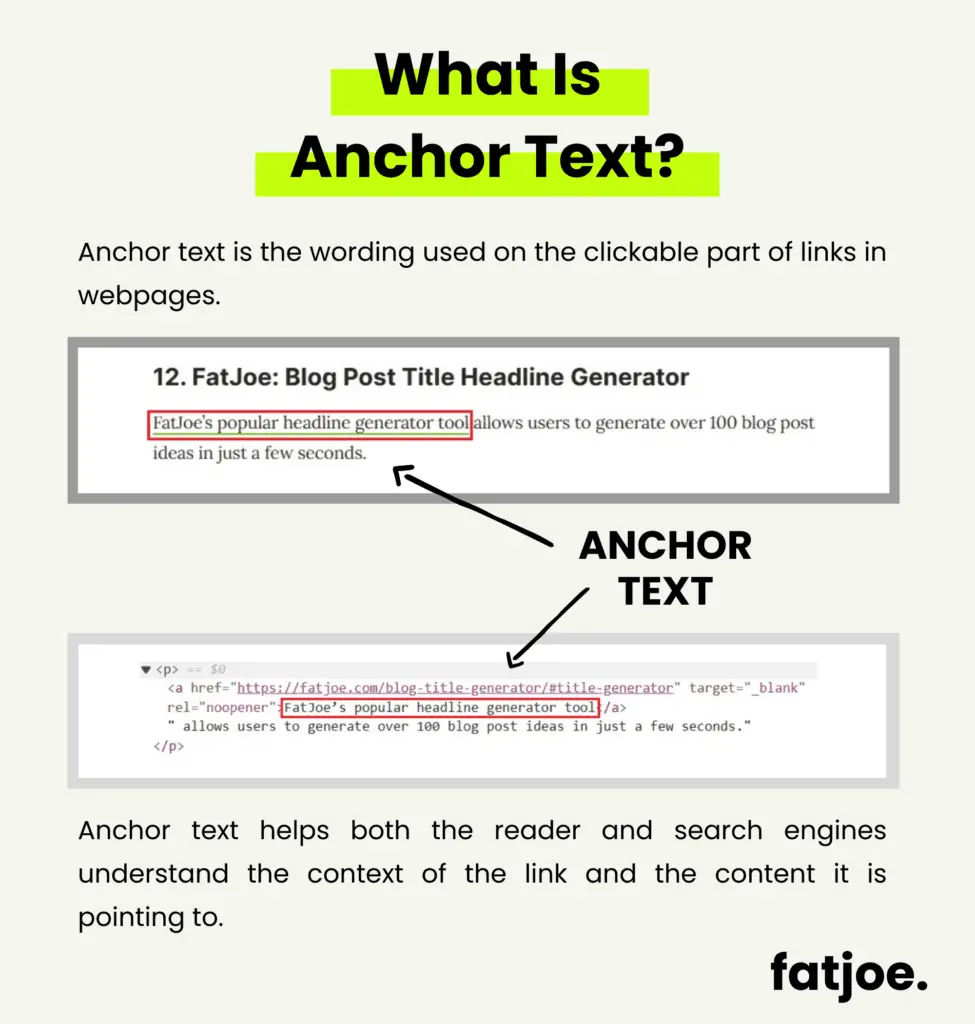
Anchor text is the clickable text in a hyperlink that directs users to another webpage. It essentially tells the user and search engines what the linked page is about. By selecting the right anchor text, you can provide context and relevance to the linked content, which can positively impact your SEO efforts.
Why Anchor Text Matters
Anchor text helps search engines understand the relevance and context of the linked content. When search engines crawl through your website and see relevant anchor text linking to other pages, it confirms the relationship between the two pages and boosts their rankings in search results.
Choosing the right anchor text can also improve user experience by providing clear and descriptive cues on where the link leads to. This can increase click-through rates and keep users engaged on your website.
Types of Anchor Text
There are several types of anchor text that you can use for your links. Each type serves a different purpose and has its own set of best practices.
Exact Match Anchor Text
Exact match anchor text uses the targeted keyword as the clickable text. While it can provide a clear signal to search engines about the content of the linked page, overusing exact match anchor text can trigger spam filters and result in a penalty.
Partial Match Anchor Text
Partial match anchor text includes variations or partial phrases of the targeted keyword. It provides some keyword relevance while appearing more natural and less spammy than exact match anchor text.
Branded Anchor Text
Branded anchor text includes the name of your brand or company as the clickable text. It helps build brand awareness, credibility, and trust among users and search engines.
Naked URLs
Naked URLs use the full URL of the linked page as the anchor text. While not very descriptive, they are straightforward and can be useful for linking to specific pages or resources.
Generic Anchor Text
Generic anchor text uses non-descriptive terms like “click here” or “learn more.” While it may not provide much context to users or search engines, it can be helpful in certain situations, such as calls to action or for variety in anchor text distribution.
Image Anchor Text
Image anchor text is the text associated with an image link. It is essential to provide alt text for images to ensure that both users and search engines understand the linked content.
Best Practices for Choosing Anchor Text
When selecting anchor text for your links, it’s essential to follow best practices to maximize the effectiveness of your link building strategy. Here are some tips to help you choose the right anchor text:
Relevance
Make sure that the anchor text is relevant to the content of the linked page. It should accurately describe the linked content and provide users with a clear idea of what to expect when they click on the link.
Diversity
Avoid using the same anchor text repeatedly for all your links. Mix up your anchor text with a variety of types to create a natural link profile and avoid triggering spam filters.
Natural Language
Choose anchor text that flows naturally within the context of the surrounding content. It should be seamless and not appear forced or out of place.
Length
Keep your anchor text concise and to the point. Shorter anchor text tends to perform better as it is more readable and user-friendly.
Test and Track
Monitor the performance of your anchor text over time to see which types are driving the most clicks and engagement. Use A/B testing to experiment with different anchor text variations and optimize your link building strategy.

Examples of Anchor Text Usage
Let’s take a look at some examples of how you can use different types of anchor text in various scenarios:
| Anchor Text | Linked Page |
|---|---|
| Exact Match | Best SEO Practices |
| Partial Match | How to Improve Your SEO Strategy |
| Branded | YourCompany Homepage |
| Naked URL | https://www.example.com/blog |
| Generic | Click Here |
| Image Alt Text | SEO Infographic |
As you can see, each type of anchor text serves a specific purpose and can be used strategically to enhance your link building efforts.

Conclusion
Choosing the right anchor text for link building is a critical component of your SEO strategy. By selecting anchor text that is relevant, diverse, and natural, you can improve search engine rankings, enhance user experience, and drive more traffic to your website.
I hope this article has provided you with valuable insights on how to choose the right anchor text for your links. Remember to experiment, track your results, and continuously optimize your anchor text strategy to achieve the best results. Happy linking!