

Link Building for Small Businesses: A Comprehensive Guide is your go-to resource for understanding the importance of link building and how it can benefit your small business. Whether you’re just starting out or looking to expand your online presence, this guide will provide you with practical tips and strategies to help you build high-quality links that drive traffic and improve your search engine rankings. From understanding the fundamentals to implementing effective outreach techniques, this comprehensive guide will equip you with the knowledge and tools you need to succeed in the world of link building. Say goodbye to confusion and hello to a successful link building strategy for your small business.

Defining Link Building
Link building is the process of acquiring hyperlinks from other websites to your own. These hyperlinks, also known as backlinks, are crucial in establishing your website’s authority and credibility. The concept behind link building is based on the idea that if other reputable websites are linking to your site, it must contain valuable content that is worth sharing with their own audience. In other words, link building serves as a vote of confidence for your website, indicating to search engines that your content is relevant and trustworthy.
Understanding the Concept
Understanding the concept of link building involves recognizing the importance of establishing connections with other websites. Think of it as building a network of relationships within the online community. The more websites that link back to your site, the more visibility and exposure you gain. It’s like having a trusted colleague recommending you to others. Search engines place a significant emphasis on these backlinks when determining the relevance and authority of your website. By accumulating high-quality backlinks, you can enhance your website’s reputation and increase its potential for ranking well in search engine results.
Importance for Small Businesses
Link building is especially important for small businesses that are looking to establish their online presence and compete in a crowded marketplace. When you have limited resources and brand recognition, acquiring relevant backlinks from authoritative websites can significantly impact your visibility and credibility. Additionally, link building can help small businesses improve their search engine rankings, increase referral traffic, and position themselves as industry experts. By investing time and effort into link building strategies, small businesses can level the playing field and gain a competitive edge in the digital landscape.
Benefits of Link Building
Link building offers numerous benefits for small businesses. Let’s delve into some of the most significant advantages it can provide:
Enhancing Website Visibility
By acquiring backlinks from reputable websites, you can significantly enhance the visibility of your own site. When a well-known website links to your content, it exposes your business to a broader audience that may not have discovered you otherwise. This increased visibility can lead to higher organic traffic, more potential customers, and ultimately, better business opportunities.
Improving Search Engine Rankings
Search engines use backlinks as one of the key factors in determining the authority and relevance of a website. The more quality backlinks you have, the greater the chances of your website ranking higher in search engine results pages (SERPs). This can result in increased organic traffic and improved visibility for your small business.
Increasing Referral Traffic
Backlinks not only serve as endorsements from other websites, but they can also drive direct referral traffic to your website. When users on another site click on a backlink that leads to your content, they are introduced to your brand and have the opportunity to explore your products or services. This referral traffic can be highly targeted and valuable, as it comes from users already interested in the topic you’re discussing.
Building Authority and Credibility
Earning backlinks from authoritative websites helps your small business build authority and credibility within your industry or niche. When reputable websites link to your content, it signals to both search engines and users that your content is trustworthy and valuable. This can lead to increased brand recognition, customer trust, and ultimately, more conversions for your business.

Types of Links
Link building involves several types of links, each with its own purpose and impact on your website’s visibility and authority. Understanding these different types of links can help you develop a comprehensive link building strategy. Let’s explore the main types of links:
Internal Links
Internal links are hyperlinks that connect different pages within your own website. They play a crucial role in guiding visitors through your site and helping search engines understand the structure and hierarchy of your content. Internal links allow you to create a network of interconnected pages, spreading the authority and relevance across your website.
External Links
External links, also known as outbound links, are hyperlinks that point from your website to other external websites. While external links may not directly benefit your website’s authority, they provide value to your users by offering additional resources or references. Including outbound links can demonstrate to search engines that you are providing valuable and comprehensive information to your audience.
Backlinks
Backlinks, also referred to as inbound links, are hyperlinks from external websites that point back to your website. Backlinks are significantly more impactful than internal or external links, as they indicate to search engines and users that other websites find your content valuable enough to share. High-quality backlinks from authoritative websites carry more weight and can significantly enhance your website’s authority and search engine rankings.
Creating Linkable and Shareable Content
Creating valuable and shareable content is the cornerstone of any successful link building strategy. It’s essential to prioritize quality over quantity and focus on providing content that resonates with your target audience. Here are some steps to follow when creating linkable and shareable content:
Identifying Target Audience
Before creating content, it’s crucial to understand who your target audience is and what interests them. Conducting thorough market research will help you identify the pain points, interests, and desires of your target demographic. By understanding your audience, you can create content that specifically caters to their needs, increasing the chances of it being shared and linked to by other websites.
Researching Popular Topics
To generate linkable and shareable content, it’s essential to stay informed about the latest trends, news, and topics within your industry. Conduct regular research to identify popular and relevant subjects that are currently resonating with your target audience. By addressing these topics in your content, you increase the chances of it gaining attention and being linked to by other websites.
Developing Valuable and Unique Content
When creating content, focus on providing value to your audience. Aim to answer their questions, solve their problems, or entertain and inspire them. Strive to offer unique insights, perspectives, or data that sets your content apart from what’s already available online. By creating valuable and unique content, you increase its chances of being linked to and shared by other websites.
Using Images and Multimedia
Incorporating visual elements such as images, infographics, videos, and interactive content can significantly enhance the shareability and link-worthiness of your content. Visual content is more engaging and memorable, making it more likely to be shared and linked to by other websites. Additionally, utilizing alt tags and descriptive filenames for your images can help improve your website’s search engine optimization (SEO) and enhance its visibility.
Optimizing Content for Search Engines
To maximize the visibility and link-building potential of your content, it’s crucial to optimize it for search engines. Conduct keyword research to identify relevant and high-impact keywords to incorporate into your content. Optimize your headlines, subheadings, meta tags, and descriptions to align with these keywords. By employing proper on-page SEO techniques, you can increase the chances of your content ranking well in search engine results, attracting more potential backlinks.

Optimizing On-Page Elements for Link Building
In addition to creating valuable and shareable content, optimizing your website’s on-page elements can further enhance its link-building potential. Let’s explore some of the key on-page elements to focus on:
Meta Tags and Descriptions
Meta tags and descriptions provide search engines with a brief summary of what your web page is about. By optimizing your meta tags and descriptions to include relevant keywords and enticing summaries, you can improve the click-through rate from search engine results and increase the chances of your content being linked to.
URL Structure
A clean and user-friendly URL structure can contribute to the overall usability and crawlability of your website. Ensure that your URLs are descriptive, concise, and include relevant keywords. By optimizing your URL structure, you can make it easier for search engines and users to understand the content of your web pages, subsequently increasing the chances of acquiring backlinks.
Heading Tags
Heading tags, such as H1, H2, and H3, help organize and structure the content on your web pages. Properly utilizing heading tags can improve the readability, user experience, and SEO of your website. By incorporating relevant keywords and ensuring a logical hierarchy in your heading tags, you can enhance your content’s linkability and shareability.
Keyword Optimization
Strategic keyword optimization throughout your content is crucial for maximizing its link-building potential. Conduct thorough keyword research and strategically incorporate relevant keywords into your headlines, subheadings, body text, and meta tags. By aligning your content with high-impact keywords, you increase its chances of ranking well in search engine results and attracting backlinks.
Internal Linking
Internal linking involves linking one page of your website to another page within your site. Utilizing internal links helps search engines discover and understand the structure and hierarchy of your website. Additionally, internal links can distribute the authority and relevance across your web pages, ultimately enhancing the link-building potential of your entire website.
Building Relationships with Other Websites
Link building is not just about acquiring backlinks; it also involves building relationships with other website owners and influencers within your industry. Here are some strategies to help you establish fruitful relationships:
Identifying Relevant Websites and Influencers
Start by identifying websites within your industry that share similar target audiences or complement your products or services. Look for websites that have a strong online presence, high domain authority, and a history of sharing relevant and reputable content. Additionally, identify influencers within your niche who have a significant following and credibility.
Engaging with Website Owners and Bloggers
Once you’ve identified relevant websites and influencers, begin engaging with them in a genuine and authentic manner. Follow their social media accounts, comment on their blog posts, and share their content with your audience. Building a rapport with website owners and bloggers can open doors for potential collaborations in the future.
Guest Posting and Contributing Content
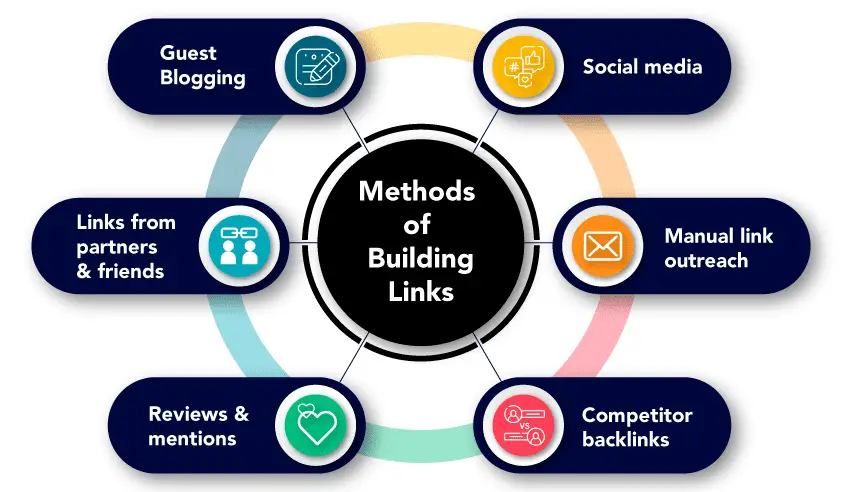
Guest posting involves writing and publishing content on another website as a guest author. This allows you to tap into the existing audience and authority of the host website and gain exposure for your own brand. Approach relevant websites with guest post pitches that offer valuable and unique insights for their audience. By contributing high-quality content, you can attract backlinks and establish yourself as an industry expert.
Collaborating on Projects and Partnerships
Collaborating with other websites or influencers on projects and partnerships can be mutually beneficial. Consider opportunities for joint webinars, podcasts, or co-authored content. By combining your expertise and resources, you can create compelling and shareable content that attracts backlinks and increases visibility for both parties involved.
Offering Testimonials and Reviews
Offering testimonials or providing reviews for products or services within your industry can help you establish relationships with other website owners. Reach out to companies or service providers that you have positive experiences with, and offer to write a testimonial or review in exchange for a backlink. This not only provides value to the company you’re reviewing but also increases your chances of acquiring backlinks and enhancing your online presence.

Social Media Link Building
Social media platforms offer fantastic opportunities for link building and content promotion. By leveraging the power of social media, you can increase the visibility and shareability of your content. Here’s how:
Leveraging Social Media Platforms
Choose the social media platforms that align with your target audience and industry. Focus on platforms where your audience is most active and engaged. Create and optimize your social media profiles to reflect your brand, and regularly share valuable and shareable content on these platforms.
Sharing and Promoting Content
Share your own content on social media platforms to increase its visibility and encourage engagement. Craft compelling and enticing captions or teasers that entice users to click through to your website. Additionally, actively seek opportunities to share and promote other relevant and valuable content from influencers or websites within your industry. By doing so, you increase the chances of building relationships, attracting backlinks, and expanding your reach.
Engaging with Users and Communities
Engagement is key to successful social media link building. Take the time to respond to comments, answer questions, and engage in conversations with your followers. Actively participate in industry-related groups, communities, or discussions, offering insights and valuable contributions. By establishing yourself as a knowledgeable and engaged member of these communities, you can attract followers, build relationships, and increase the chances of acquiring backlinks.
Directories and Local Citations
Directories and local citations play a crucial role in local SEO and link building efforts for small businesses. Here’s how you can leverage directories and local citations:
Submitting to Relevant Directories
Research relevant directories that are specific to your industry or location. Submit your website and business information to these directories, as this can help search engines understand the relevance and credibility of your business. Ensure that your business information, such as name, address, and phone number (NAP), is consistent across all directories to improve your local SEO efforts.
Claiming and Optimizing Local Listings
Claim and optimize your local listings on popular platforms such as Google My Business, Bing Places for Business, and Yelp. Completing these listings with accurate and comprehensive information provides search engines and users with vital details about your business. Additionally, optimizing these listings with relevant keywords and high-quality images can increase their visibility and link-building potential.
Building Consistent NAP Information
Consistency is crucial when it comes to building local citations. Ensure that your business’s name, address, and phone number (NAP) are consistent across all online platforms, directories, and listings. Inaccurate or inconsistent information can negatively impact your website’s visibility and authority. By maintaining consistency, you increase your chances of attracting backlinks from authoritative local websites.
Monitoring and Analyzing Link Building Efforts
Monitoring and analyzing the effectiveness of your link building efforts is essential to measure the impact and make any necessary adjustments. Here are some strategies to help you monitor and analyze your link building efforts:
Tracking Backlinks and Mentions
Utilize tools and software to track and monitor the backlinks and mentions your website receives. This allows you to identify which websites are linking to your content and evaluate the quality and relevance of those backlinks. Tracking backlinks and mentions gives you valuable insights into the effectiveness of your link building efforts and helps you identify opportunities for improvement.
Analyzing Website Traffic and Rankings
Regularly analyze your website’s traffic and rankings to assess the impact of your link building strategies. Tools like Google Analytics and Google Search Console provide valuable data on organic traffic, keyword rankings, and user behavior. By monitoring these metrics, you can identify trends, patterns, and areas for improvement.
Utilizing Link Building Tools and Software
There are numerous link building tools and software available that can help streamline and enhance your link building efforts. Tools like Moz, Ahrefs, SEMrush, and Majestic offer features that allow you to analyze backlinks, track competitors’ link profiles, and find new link building opportunities. By utilizing these tools, you can gain insights and data that assist you in refining and optimizing your link building strategy.
Avoiding Black Hat Link Building Tactics
While link building is an essential aspect of SEO, it’s crucial to avoid engaging in black hat link building tactics. Black hat tactics involve unethical and manipulative practices that violate search engine guidelines. Engaging in such tactics can have severe consequences for your website’s visibility and reputation. Here’s what you need to know to avoid black hat link building tactics:
Understanding Black Hat Tactics
Black hat link building tactics aim to manipulate search engine algorithms and artificially inflate a website’s authority and rankings. These tactics often involve techniques such as buying or selling links, participating in link farms or private blog networks, and keyword stuffing. It’s important to familiarize yourself with these tactics to ensure you’re not unintentionally engaging in any unethical practices.
Recognizing Link Schemes and Spam Techniques
Link schemes and spam techniques involve acquiring backlinks through deceptive or manipulative means. These can include excessive reciprocal linking, link exchanges, and link networks. Be cautious of any offers or strategies that promise to provide a large number of backlinks quickly and cheaply. High-quality backlinks are earned organically and naturally, not through shady practices.
Consequences of Unethical Link Building
Engaging in black hat link building tactics can result in severe consequences for your website and reputation. Search engines, such as Google, penalize websites that violate their guidelines by lowering their rankings or even removing them from search results entirely. These penalties can have a lasting impact on your online visibility and potentially harm your business. It’s crucial to prioritize ethical link building strategies to ensure the long-term success and sustainability of your website.
In conclusion, link building plays a significant role in enhancing the visibility, credibility, and authority of small businesses in the digital landscape. By understanding the concepts, benefits, and strategies associated with link building, small businesses can develop comprehensive and effective link building strategies. From creating valuable content and optimizing on-page elements to building relationships with other websites and utilizing social media platforms, link building offers numerous opportunities for small businesses to establish their online presence and compete in their respective industries. It’s important to prioritize ethical link building practices and actively monitor and analyze the effectiveness of your efforts to ensure long-term success. So, start building those high-quality links and watch your small business thrive in the online world.