
If you want your website to rank high in Google’s search results, then you definitely want to avoid using link building tactics that Google hates. In this article, we will explore some of the common practices that can harm your website’s ranking and reputation in the eyes of Google. By understanding what not to do, you can ensure that your link building efforts are effective and in line with Google’s guidelines. So, let’s dive into the world of link building tactics that should be avoided at all costs.

Link Buying
Purchasing links from websites
Link buying refers to the practice of paying websites to include links to your website on their pages. This method is considered unethical by search engines like Google because it undermines the natural process of link building. When you purchase links, you are essentially buying artificial votes of credibility, which can lead to skewed search results. Google clearly discourages this practice and can penalize websites that engage in link buying.
Participating in link exchange schemes
Link exchange schemes involve two or more websites agreeing to exchange links with each other for the purpose of boosting their rankings in search results. While this may seem like a mutually beneficial arrangement, Google sees it as an attempt to manipulate their algorithm. When websites excessively participate in link exchange schemes, it can raise suspicion and result in penalties.
Using automated link-building software
Automated link-building software is designed to generate a large number of backlinks to a website in a short period. These software programs often create low-quality and irrelevant links that provide no value to users. Engaging in such practices is a violation of Google’s guidelines and can lead to severe penalties, including the de-indexing of your website.
Link Schemes
Creating networks of websites solely for link building
Some individuals or companies create networks of websites with the sole purpose of building links to their main website. These networks are often interconnected and contain low-quality content or duplicate information. Google considers this a manipulative link scheme and actively works to identify and penalize such networks.
Participating in link farms or link wheels
Link farms and link wheels are similar to networks of websites, but they involve multiple websites linking to each other in an attempt to artificially boost rankings. Link farms typically host large numbers of unrelated websites, while link wheels consist of a circular pattern of reciprocal linking. Both these practices are against Google’s guidelines and can harm your website’s visibility in search results.
Using private blog networks (PBNs)
Private blog networks (PBNs) are networks of privately owned websites that exist solely to create links to other websites, usually for financial gain. PBNs often have low-quality content and attempt to hide their connection to each other. Google actively targets and penalizes PBNs, as they undermine the integrity of search algorithms.

Irrelevant and Low-Quality Links
Obtaining links from unrelated websites
When links come from unrelated websites that have no relevance to your industry or content, they provide little to no value to users. Such links are often obtained through link-building tactics that rely on quantity rather than quality. Google considers these links as suspicious and may penalize websites that engage in this kind of behavior.
Creating or purchasing links from low-quality directories
Low-quality directories are websites that exist primarily for the purpose of hosting hundreds or even thousands of links, with little to no editorial review. These directories often have low domain authority and credibility. Creating or purchasing links from such directories is seen as a manipulative link-building tactic by search engines, and can result in penalties.
Using blog comments spam for link building
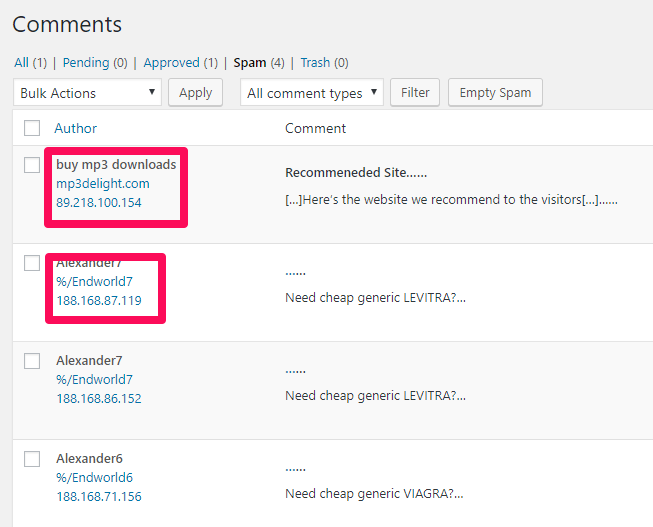
Leaving spammy comments on blog posts solely for the purpose of including links back to your own website is a frowned-upon practice. These comments often have no relevance to the content or discussion and are usually automatically generated. Google clearly discourages this tactic and may penalize websites that engage in blog comments spam.
Over-Optimized Anchor Text
Stuffing anchor text with exact-match keywords
Anchor text refers to the clickable text within a hyperlink. Over-optimization occurs when the anchor text is filled with exact-match or keyword-rich phrases, often done to manipulate search rankings. While using keyword-rich anchor text in moderation is acceptable, excessive use can trigger Google’s spam filters and lead to penalties.
Using excessive keyword-rich anchor text in unnatural ways
Similar to stuffing anchor text, using excessive keyword-rich phrases in an unnatural way can raise red flags for search engines. This includes using repetitive and irrelevant anchor text that appears solely for the purpose of including keywords. Google’s algorithms are designed to reward organic and natural link building, making such tactics detrimental.
Overusing repetitive anchor text for internal linking
When websites excessively use the same anchor text for internal linking throughout their content, it can raise suspicion and trigger penalties. Google considers this an attempt to manipulate search rankings. To maintain a natural link profile, it is important to vary the anchor text used for internal linking and focus on providing value to users.
Guest Posting Abuse
Publishing low-quality guest posts solely for link building
Guest posting is a legitimate and valuable method for building relationships and establishing authority in your industry. However, when it is used solely for the purpose of acquiring links, and disregards the quality of the content, it becomes a link-building abuse. Google urges websites to focus on creating high-quality guest posts that provide valuable insights to readers.
Using guest posts as a primary link-building strategy
Relying heavily on guest posts as the primary link-building strategy can be seen as an attempt to manipulate search rankings. Search engines encourage the diversification of link-building tactics to ensure that links are earned naturally. Guest posting should be used in conjunction with other organic and legitimate methods to build a well-rounded backlink profile.
Submitting duplicate or spun content in guest posts
Submitting duplicate or spun content in guest posts is a deceptive tactic and is against Google’s guidelines. Duplicate content refers to content that is copied from another source, while spun content is created by using software to automatically replace words with synonyms. Publishing original and unique content that adds value to the host website is crucial for maintaining a trustworthy link-building practice.
Article Directories and Press Releases
Submitting articles to low-quality article directories
Low-quality article directories host a large number of articles that lack editorial control and have low domain authority. Submitting articles to such directories is not a recommended link-building strategy, as it provides little value to readers and can have a negative impact on your website’s reputation. Focus on publishing high-quality and original content on reputable platforms.
Distributing press releases with overly optimized anchor text
Press releases are meant to announce newsworthy events or updates about a company or organization. However, when press releases are distributed solely for the purpose of including overly optimized anchor text, they are considered manipulative by search engines. Press releases should be used to provide valuable information and create buzz, rather than solely for link-building purposes.
Link Manipulation
Using hidden or invisible links
Hidden or invisible links refer to links that are intentionally concealed from website visitors but are still present for search engines to crawl. This practice is deceptive and goes against Google’s guidelines. Search engines value transparency and user experience, and using hidden links can result in penalties.
Cloaking links to deceive search engines
Cloaking refers to a technique where different content is shown to search engines and users. When links are cloaked, search engines are deceived into seeing different links than what users see. This tactic is considered manipulative and is strictly discouraged by search engines. Maintaining transparency and providing consistent content is key to building a trustworthy online presence.
Manipulating user-generated content for link insertion
Allowing users to contribute content, such as comments or forum posts, can be a valuable way to engage with your audience. However, manipulating user-generated content by inserting links solely for the purpose of building backlinks is seen as a manipulative practice. Websites should focus on fostering genuine interactions instead of exploiting user-generated content for link building.
Paid Links without Nofollow Attribute
Paying for advertisements or advertorials without nofollow attribute
Paid advertisements or advertorials that do not include a nofollow attribute on the links can negatively impact your website’s rankings. Google recommends using the nofollow attribute to indicate that the links are paid and should not pass PageRank. Without this attribute, search engines may consider the links as manipulative and penalize your website.
Including advertising links in exchange for goods or services
Exchanging goods or services for including advertising links on your website without the proper use of the nofollow attribute is against Google’s guidelines. If you receive compensation for placing links, it is essential to disclose it and appropriately attribute the links as sponsored or paid. Transparency and adherence to Google’s guidelines are crucial in maintaining a trustworthy online presence.

Automated or Low-Quality Directories
Submitting websites to automated directory submission services
Automated directory submission services promise to submit your website to thousands of directories automatically. While this may sound appealing, it often results in your website being listed in low-quality and irrelevant directories. Google recommends against using such services, as they provide minimal value and can be seen as an attempt to manipulate search rankings.
Listing websites in low-quality, irrelevant directories
Listing your website in low-quality and irrelevant directories is an ineffective link-building tactic. These directories often lack editorial review and have little to no credibility. Google prioritizes relevant and authoritative sources, so focusing on acquiring links from high-quality directories in your industry is important for building a solid backlink profile.
Linking to Penalized Websites
Linking to websites flagged by Google for spammy practices
Linking to websites that have been penalized by Google for engaging in spammy practices can harm your website’s reputation and rankings. Google actively works to identify and penalize websites that violate their guidelines, and associating with penalized websites can have a negative impact on your own website’s visibility. Be cautious when linking to external sources and regularly monitor the reputation of websites you link to.
Linking to websites with thin or duplicated content
Linking to websites with thin or duplicated content can also have a detrimental effect on your website’s credibility and rankings. Google values unique and valuable content, and linking to websites that do not meet these standards can be seen as a sign of poor quality and manipulation. Prioritize linking to reputable and informative sources that add value to your content.
By avoiding these link-building tactics that Google dislikes, you can build a strong and reputable online presence. Prioritize quality over quantity, focus on providing value to users, and follow ethical link-building practices. Remember, earning natural and authoritative backlinks is a long-term strategy that will benefit your website’s visibility in search results.