
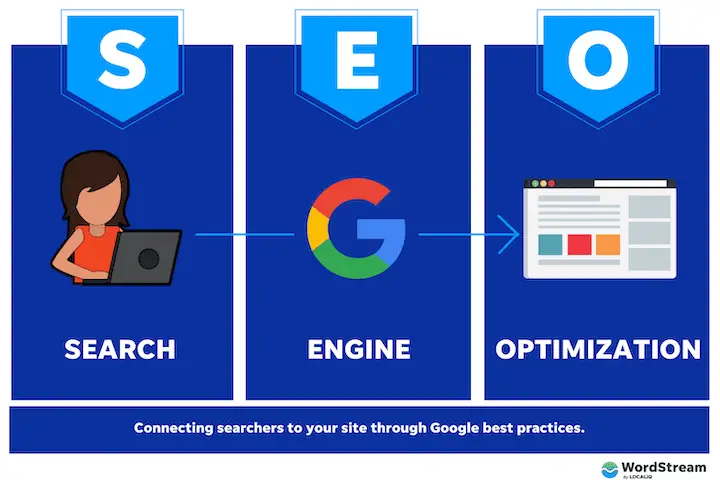
Are you looking to enhance your website’s search engine optimization (SEO) performance? In today’s digital landscape, optimizing non-indexable pages is a crucial aspect that often gets overlooked. Non-indexable pages, by definition, are web pages that search engines cannot crawl and index. However, fear not! In this article, we will explore the best practices for optimizing non-indexable pages for SEO, providing you with valuable insights on how to improve your website’s visibility and drive more organic traffic. So, let’s dive in and unlock the potential of your non-indexable pages!

Understand What Non-Indexable Pages Are
Definition of Non-Indexable Pages
Non-indexable pages are webpages that search engines, such as Google, are unable to crawl and include in their search index. These pages are essentially invisible to search engines and therefore do not appear in search engine result pages (SERPs) when users search for relevant keywords or phrases.
Reasons for Non-Indexability
There are various reasons why certain webpages may be non-indexable. One common reason is because the webpage has been specifically instructured not to be indexed in the website’s robots.txt file. Another reason could be due to the use of “noindex” meta tags in the HTML code of the webpage. Additionally, non-indexable pages can also arise from technical issues such as server errors or inaccessible content.
Importance of Optimizing Non-Indexable Pages
Increase Visibility
While non-indexable pages may not appear in search engine results, optimizing them can still increase their visibility in other ways. When users navigate through a website, they may come across these non-indexable pages. By ensuring that these pages are user-friendly and optimized, there is a higher chance that users will spend more time on the website, explore other pages, and potentially convert into customers.
Improve User Experience
Optimizing non-indexable pages also enhances the overall user experience. When users land on a non-indexable page, it is important to provide them with relevant and valuable information. By optimizing the content, structure, and design of these pages, users will have a better experience and be more likely to engage with the website.
Identify Non-Indexable Pages on Your Website
Robots.txt File
The robots.txt file is an essential tool used to communicate with search engine crawlers. It instructs which pages should and should not be indexed. It is important to review and ensure that the necessary pages are allowed to be indexed and that no important pages are unintentionally blocked by the robots.txt file.
Meta Tags
HTML meta tags such as “noindex” and “nofollow” can be utilized to prevent specific webpages from being indexed. By examining the meta tags in the HTML code of a page, you can determine if it is non-indexable.
XML Sitemap
An XML sitemap is a file that lists all the pages on a website and provides additional information about each page to search engines. By checking the XML sitemap, you can identify which pages are included and excluded.
Google Search Console
Google Search Console is a valuable tool that provides insights into the indexing status of a website. It allows you to identify any errors or issues that may be preventing certain pages from being indexed. Regularly monitoring the Search Console can help you stay informed about the indexability of your webpages.
Avoid Creating Unnecessary Non-Indexable Pages
Review Content Management System
When creating a website, it is vital to select a content management system (CMS) that allows you to easily manage and control the indexability of your pages. By choosing a CMS with robust SEO features, you can avoid unintentional non-indexable pages.
Remove Duplicate or Thin Content
Duplicate content or thin content, which lacks valuable information, can negatively impact the indexability of a webpage. It is crucial to regularly review and remove any unnecessary or low-quality content to avoid creating non-indexable pages.
Consider Using Meta Robots Tags
By utilizing meta robots tags, you can have more control over the indexability of individual webpages. The “noindex” and “nofollow” tags can be used to prevent search engines from indexing certain pages or following specific links on a page.
Optimize Meta Tags and Descriptions
Unique and Descriptive Meta Title
Having unique and descriptive meta titles for each webpage is essential for both SEO and improving the click-through rate (CTR) from search engine results. The meta title should accurately summarize the content of the page and include relevant keywords to increase its visibility.
Compelling Meta Description
Meta descriptions are brief summaries that appear below the meta title in search engine results. These descriptions should be compelling and concise, enticing users to click on the webpage. Including relevant keywords in the meta description can also improve the visibility and relevance of the page.
Include Relevant Keywords
Identifying and including relevant keywords in the meta tags and content of a webpage is crucial for SEO. By understanding the search intent of your target audience, you can optimize your non-indexable pages with the appropriate keywords, increasing the likelihood of them appearing in relevant searches.
Improve Internal Link Structure
Include Navigational Links
Including navigational links on non-indexable pages can improve user experience and guide users to other important pages on the website. These links should be strategically placed and provide easy access to relevant content.
Use Anchor Text Wisely
Anchor text is the clickable text that hyperlinks to another webpage. Using relevant anchor text on non-indexable pages can help search engines understand the context and relevance of the linked pages. This can indirectly improve the visibility and indexing of the linked pages.
Ensure Proper Link Hierarchy
Having a well-structured link hierarchy is important for both user experience and SEO. Ensure that non-indexable pages are linked properly within the website hierarchy, making it easier for users and search engines to navigate and understand the website’s content organization.
Optimize Images on Non-Indexable Pages
Use Descriptive File Names
When optimizing non-indexable pages, it is important to optimize the images included within them as well. Using descriptive file names for images helps search engines understand the content of the image and can potentially improve its visibility in image search results.
Add ALT Texts
Adding alternative text (ALT text) to images is crucial for accessibility purposes and SEO. ALT texts provide a description of the image for users who are visually impaired and also provide context for search engines. Including relevant keywords in ALT texts can contribute to the visibility and indexing of the non-indexable pages.
Compress File Sizes
Large image file sizes can negatively impact website performance and user experience. By compressing image file sizes, you can improve the loading speed of non-indexable pages, leading to better user engagement and potentially higher rankings in search engine algorithms.
Create User-friendly Content
Write Engaging Headings
Engaging headings capture the attention of users and entice them to read further. When optimizing non-indexable pages, it is important to write compelling headings that accurately summarize the content and incorporate relevant keywords.
Format Content for Readability
Readable content is essential for both user experience and SEO. Break up text into shorter paragraphs, utilize subheadings, and use bullet points or numbered lists to make the content easier to digest. This improves the overall user experience and encourages users to spend more time on the page.
Use Bullet Points or Numbered Lists
Using bullet points or numbered lists is an effective way to present information concisely and improve readability. These formatting techniques make it easier for users to quickly scan and comprehend the content. By organizing information in this way, non-indexable pages can become more valuable to users.
Ensure Mobile Responsiveness
Responsive Design
With the increasing use of mobile devices, it is crucial to optimize non-indexable pages for mobile responsiveness. Implementing a responsive design ensures that the layout, images, and content of the pages adapt perfectly to different screen sizes, providing an optimal viewing experience for mobile users.
Mobile-Friendly Image Sizes
In addition to responsive design, optimizing image sizes for mobile devices is important. Images that are too large can slow down page loading times and negatively impact the user experience. By appropriately resizing and compressing images for mobile, non-indexable pages can be more accessible and engaging.
Readable Font Sizes
Text that is too small or difficult to read on mobile devices can significantly hamper the user experience. Ensuring that font sizes are legible and adapt well to different screen sizes is essential for mobile responsiveness. By optimizing font sizes, non-indexable pages can be more user-friendly and engaging for mobile users.
Test and Monitor Non-Indexable Pages
Regularly Check Index Status
To ensure that non-indexable pages are functioning as intended, it is important to regularly check their index status through tools like Google Search Console. By monitoring the index status, you can identify any issues that may arise and take appropriate actions to rectify them.
Track Organic Visibility
Tracking the organic visibility of non-indexable pages can provide valuable insights into their performance. By using analytics tools, you can assess the number of organic visits, bounce rates, and engagement metrics for these pages. Adjustments can be made based on this data to improve the overall visibility and effectiveness of non-indexable pages.
Utilize Analytics Tools
Using analytics tools such as Google Analytics and Google Search Console can provide comprehensive data on the performance and visibility of non-indexable pages. By analyzing key metrics like organic traffic and user behavior, you can make informed decisions and implement necessary optimizations to improve the overall SEO performance of these pages.
In conclusion, optimizing non-indexable pages is a critical aspect of SEO. By understanding the definition and reasons for non-indexability, identifying these pages on your website, avoiding unnecessary non-indexable pages, and implementing best practices such as optimizing meta tags, improving internal link structure, and creating user-friendly content, you can enhance the visibility and user experience of these pages. Additionally, ensuring mobile responsiveness, optimizing images, and regularly testing and monitoring non-indexable pages are essential for maintaining their effectiveness and improving SEO performance. Following these best practices will ultimately contribute to a stronger website presence and improved search engine rankings.