
In the fast-paced world of digital marketing, staying ahead of the game is crucial for businesses looking to thrive in the local market. The article “Local SEO And Link Building: Navigating The Landscape” delves into the importance of local SEO and link building strategies, providing businesses with the roadmap they need to navigate the ever-changing landscape of online visibility. Discover how these essential techniques can help your business reach new heights in search engine rankings and increase your customer base.

Understanding Local SEO
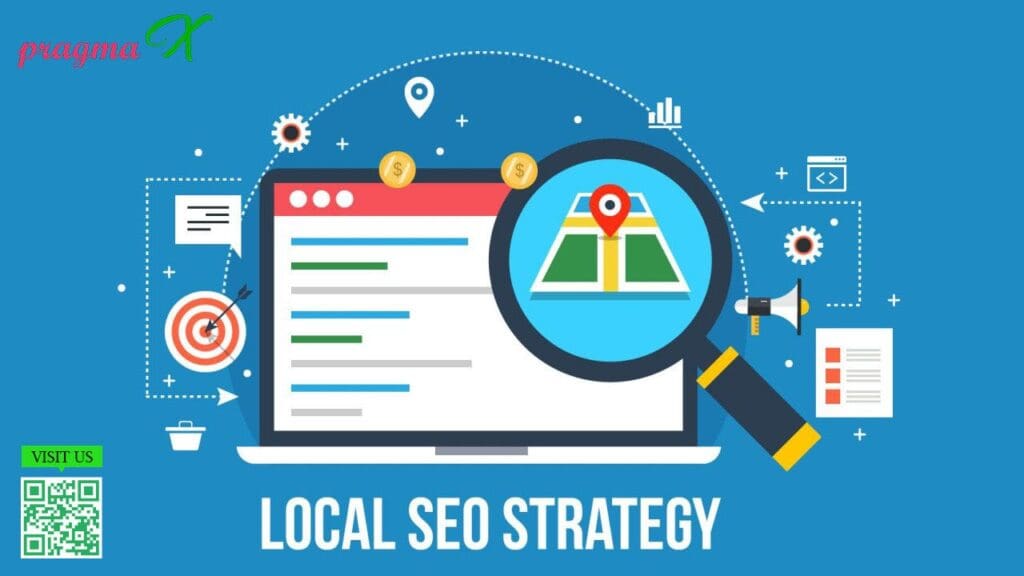
Local SEO refers to the practice of optimizing a website to increase its visibility and rankings in local search results. It is an essential digital marketing strategy for businesses that have a physical location or serve a specific geographical area. By implementing local SEO techniques, you can ensure that your business appears prominently when potential customers search for products or services in your local area.
Importance of Local SEO
Local SEO is crucial for businesses because it enables them to target their audience effectively. When you optimize your website for local search, you can attract customers who are specifically looking for what you offer in your area. This increases your chances of converting these local leads into loyal customers. By focusing on local SEO, you can also outrank your competitors in local searches and establish yourself as a trusted and reliable local business.
Difference between Local SEO and Traditional SEO
While local SEO and traditional SEO share similarities, there are some key differences between the two. Traditional SEO aims to improve a website’s visibility on a global or national scale, targeting broader keywords and a larger audience. Local SEO, on the other hand, focuses on optimizing a website for specific geographical areas, using location-specific keywords and strategies to attract local customers. Local SEO often involves targeting Google My Business listings, creating location-specific landing pages, and obtaining local citations.
Key Elements of Local SEO
To effectively implement local SEO, there are several key elements that you need to consider. By incorporating these strategies into your overall SEO strategy, you can increase your chances of ranking highly in local search results and attracting local customers.
Optimizing Google My Business
Google My Business (GMB) is a free tool that allows businesses to manage their online presence across various Google platforms, including Google Maps and Google Search. Optimizing your GMB profile is crucial for local SEO, as it increases your chances of appearing in the local pack and attracting potential customers. Make sure to provide accurate and up-to-date information, such as your business name, address, phone number (NAP), business hours, and categories.
Creating Location-Specific Landing Pages
Creating location-specific landing pages is another vital aspect of local SEO. These pages allow you to target specific cities or regions and optimize your content accordingly. Include relevant keywords, provide detailed information about your products or services in that particular area, and showcase testimonials or reviews from local customers. By creating dedicated landing pages for each target location, you can improve your visibility in local searches.
Citation Building and NAP Consistency
Citations are online references to your business name, address, and phone number (NAP). Building consistent citations across various online directories and platforms is essential for local SEO. Ensure that your NAP information is consistent and up-to-date across all listings to avoid confusion and improve your local search rankings. Focus on popular directories like Yelp, Yellow Pages, and industry-specific platforms.
Online Reviews and Ratings
Online reviews and ratings play a significant role in local SEO. Positive reviews not only help build credibility and trust with potential customers but also influence your local search rankings. Encourage your satisfied customers to leave reviews on platforms like Google, Yelp, and Facebook. Respond to both positive and negative reviews promptly and professionally to show that you value customer feedback.
Local Keyword Research
Keywords are the foundation of any SEO strategy, including local SEO. Conducting thorough keyword research specific to your local area is essential. Look for keywords that include your location and target audience’s search intent. Use these keywords strategically in your website’s content, metadata, and headings. By optimizing your content with relevant local keywords, you can improve your visibility in local searches.
Benefits of Local SEO
Implementing local SEO into your digital marketing strategy offers several benefits for your business. Understanding these advantages can help you prioritize local SEO efforts and invest the necessary resources to maximize your results.
Increased Visibility in Local Searches
One of the biggest benefits of local SEO is increased visibility in local searches. By optimizing your website and online presence for local search, you can boost your rankings in search engine results pages (SERPs) when users search for products or services in your area. This increased visibility makes it easier for potential customers to find and connect with your business.
Targeted Traffic and Higher Conversion Rates
Local SEO allows you to target specific geographical areas, ensuring that you attract high-quality, targeted traffic to your website. When customers search for products or services in your local area, they are more likely to convert into customers. By focusing on local SEO, you can improve your conversion rates and generate more leads and sales.
Improved Online Reputation
Reviews and ratings are a critical aspect of local SEO, and positive reviews can significantly impact your online reputation. By actively encouraging satisfied customers to leave reviews and responding to feedback, you can build a strong online reputation. This positive reputation not only attracts more customers but also helps create trust and credibility in your local community.
Cost-Effective Marketing Strategy
Compared to traditional marketing methods like print advertising or radio spots, local SEO is a cost-effective marketing strategy. It allows you to reach a targeted audience without spending a fortune on advertising. By investing in local SEO techniques, you can achieve significant results while optimizing your marketing budget.
What is Link Building?
In the world of SEO, link building refers to the process of obtaining external links from other websites back to your site. These links, also known as backlinks, play a crucial role in search engine rankings and can significantly impact your website’s authority and visibility. Link building is an essential component of an effective SEO strategy and is instrumental in improving your search engine rankings.
Definition of Link Building
Link building is the process of acquiring hyperlinks from other websites to your own. These links act as “votes” that search engines use to determine the credibility and relevance of your website. By obtaining high-quality backlinks, you can signal to search engines that your website is trustworthy and has valuable content worth ranking.
Importance of Link Building for SEO
Link building is vital for SEO because search engines consider backlinks as a key ranking factor. When reputable websites link to your content, it indicates to search engines that your website is trustworthy and provides valuable information. Having a strong backlink profile can improve your website’s authority and increase its visibility in search engine results.
Types of Links: Internal, External, and Backlinks
There are different types of links that play a role in SEO:
-
Internal Links: These are links that connect one page of your website to another page on the same domain. Internal links help search engines understand the structure of your website and prioritize important pages.
-
External Links: External links are links that point from your website to other websites. While external links don’t directly impact your rankings, they can provide valuable context and credibility to your content.
-
Backlinks: Backlinks, also known as inbound links, are links from other websites that point back to your website. These backlinks are the most crucial type of links for SEO as they can significantly influence your search engine rankings.
Link Building Strategies for Local SEO
When it comes to local SEO, link building plays a crucial role in improving your website’s visibility in local search results. There are several effective link building strategies that you can implement to strengthen your local SEO efforts and obtain high-quality backlinks.
Local Directory Listings and Citations
Listing your business in local directories is an effective way to build backlinks and improve your local SEO. Focus on reputable directories like Yelp, Yellow Pages, and Google My Business. Ensure that your NAP information is consistent across all directories to avoid confusion and improve your local search rankings.
Guest Blogging and Content Partnerships
Guest blogging involves creating high-quality content for other websites in your industry and including a link back to your website. Look for local blogs or websites that accept guest contributions and offer to provide valuable content. By guest blogging on relevant websites, you can increase your visibility, attract new audiences, and obtain valuable backlinks.
Building Relationships with Local Influencers
Influencer marketing is not limited to social media platforms. Building relationships with local influencers can also benefit your link building efforts. Reach out to local influencers or bloggers in your industry and offer to collaborate on content, events, or promotions. By partnering with influencers, you can tap into their audience and potentially earn backlinks from their websites or social media profiles.
Creating High-Quality, Shareable Content
Creating high-quality content that others find valuable is an effective way to earn backlinks naturally. Develop content that is relevant to your local audience and provides unique insights or solutions to their problems. By crafting shareable content, you increase the chances of it being linked to and shared by other websites, strengthening your backlink profile.
Evaluating Link Quality
Not all backlinks are created equal. It’s essential to evaluate the quality of the links you obtain to ensure they positively impact your SEO efforts. Here are some factors to consider when evaluating link quality:
Domain Authority and Trustworthiness
The domain authority and trustworthiness of the linking website are crucial indicators of link quality. Aim for backlinks from reputable and trustworthy websites in your industry or niche. Links from authoritative websites carry more weight and can have a more substantial impact on your search engine rankings.
Relevance to Your Business Niche
Relevance is key when evaluating link quality. Backlinks from websites that are relevant to your business niche or industry are more valuable than those from unrelated sources. Search engines consider the context and relevance of the linking website to determine the credibility and authority of your website.
Anchor Text and Contextual Relevance
Anchor text refers to the clickable text in a hyperlink. When evaluating link quality, consider the anchor text used in the backlink. Relevant anchor text that accurately describes the content it is linking to is more valuable than generic or spammy anchor text. The contextual relevance of the link within the content surrounding it also plays a role in evaluating link quality.
Link Freshness and Diversity
To maintain a healthy backlink profile, it’s important to have a diverse range of links from various sources. Aim for a mix of different types of links, such as editorial links, guest post links, and social media links. Additionally, regularly acquiring new backlinks shows search engines that your website is consistently generating valuable content and attracting attention.

Avoiding Black Hat SEO Techniques
While link building is an essential SEO strategy, it’s crucial to avoid engaging in black hat SEO techniques that can harm your website’s rankings and reputation. Here are some practices to avoid:
Buying Links or Participating in Link Schemes
Purchasing links or participating in link schemes violates search engine guidelines and can result in penalties. Avoid buying or selling links, participating in link farms, or engaging in any other manipulative tactics to acquire backlinks. Focus on obtaining natural, high-quality links from authoritative sources.
Using Low-Quality, Spammy Directories or Link Farms
Listing your website in low-quality directories or link farms can harm your SEO efforts and reputation. These directories often have little to no editorial oversight and exist solely for the purpose of providing backlinks. Instead, focus on reputable directories, both general and niche-specific, that provide genuine value to users.
Keyword Stuffing and Over-Optimization
Keyword stuffing involves repeatedly and unnaturally incorporating keywords into your content in an attempt to manipulate search engine rankings. Avoid this practice, as it can lead to penalties and negatively impact user experience. Optimize your content naturally and provide value to your audience rather than focusing solely on keywords.
Duplicate Content and Cloaking
Search engines value unique and original content. Duplicating content from other websites or within your own site can result in penalties. Cloaking, a practice where different content is shown to search engines and users, is also a violation of search engine guidelines. Focus on creating high-quality, original content that provides value and addresses the needs of your audience.
Measuring the Success of Local SEO and Link Building
To gauge the effectiveness of your local SEO and link building efforts, it’s crucial to track and measure key metrics. Here are some ways to measure the success of your local SEO and link building:
Google My Business Insights and Analytics
Monitoring the performance of your Google My Business listing can provide valuable insights into how customers are finding and interacting with your business. Pay attention to metrics like visibility, engagement, and actions taken. This data can help you identify areas for improvement and measure the success of your local SEO efforts.
Tracking Keyword Rankings and Organic Traffic
Regularly tracking your keyword rankings and organic traffic is essential to evaluate the effectiveness of your local SEO strategy. Use tools like Google Analytics or SEO ranking tools to monitor your ranking positions for target keywords and analyze changes in organic traffic over time. This data can help you make informed decisions about your SEO efforts.
Monitoring Backlinks and Referral Traffic
Keep track of the backlinks pointing to your website and monitor the referral traffic they generate. Tools like Google Search Console and third-party backlink monitoring tools can help you identify new backlinks, understand their quality, and analyze referral traffic patterns. This information allows you to assess the impact of your link building efforts on your website’s visibility.
Conversion Tracking and Goal Completions
Tracking conversions and goal completions is essential for measuring the effectiveness of your local SEO and link building. Set up conversion tracking in tools like Google Analytics to measure actions that align with your business goals, such as online purchases, form submissions, or phone calls. By tracking conversions, you can understand how your SEO efforts translate into tangible results for your business.

Common Challenges in Local SEO and Link Building
Local SEO and link building come with their own set of challenges. Being aware of these challenges and developing strategies to overcome them is crucial for your overall success. Here are some common challenges in local SEO and link building:
Competitive Local Markets and Limited SERP Real Estate
In highly competitive local markets, ranking highly in local search results can be challenging. Limited SERP real estate means there are only a few spots available for organic and local pack listings. To overcome this challenge, focus on optimizing your website, obtaining high-quality backlinks, and providing exceptional service to your customers.
Negative SEO and Toxic Backlinks
Negative SEO refers to the practice of intentionally harming a competitor’s website’s rankings by engaging in manipulative tactics. One common negative SEO tactic is building toxic backlinks to a competitor’s website. Monitor your backlinks regularly and disavow any toxic or low-quality backlinks that could harm your website’s rankings.
Keeping Up with Algorithm Changes
Search engine algorithms are constantly evolving, and staying up-to-date with these changes can be challenging. Algorithm updates can impact your website’s visibility and rankings, so it’s important to keep an eye on industry news and best practices. Following reputable SEO blogs and attending industry conferences can help you stay informed and adapt your strategies accordingly.
Balancing Quantity and Quality of Links
Finding the right balance between the quantity and quality of backlinks can be tricky. While it’s important to build a diverse portfolio of high-quality backlinks, focusing solely on quantity can lead to low-quality links that could harm your rankings. Aim for a natural and sustainable link building approach that emphasizes quality over quantity.
Conclusion
Understanding and implementing local SEO and link building strategies are essential for businesses looking to improve their visibility in local search results. By optimizing your website for local search, building high-quality backlinks, and providing exceptional value to your customers, you can increase your chances of attracting targeted traffic, improving your online reputation, and driving conversions. While there may be challenges along the way, staying informed, adapting to algorithm changes, and following best practices will help you navigate the local SEO and link building landscape successfully.