
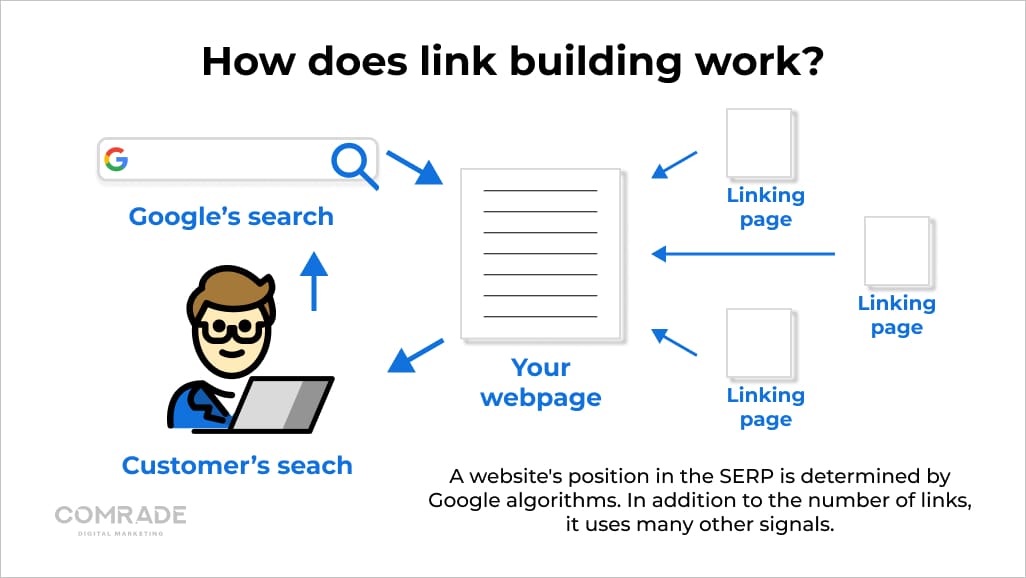
In today’s digital age, having a strong online presence is crucial for businesses looking to thrive in their local communities. One powerful tool in achieving this is through link building, a process that involves acquiring quality backlinks to your website. By strategically incorporating links from reputable and relevant websites, you can boost your visibility in search engine results, drive more organic traffic, and ultimately attract more customers. In this article, we will explore the link building process for local SEO campaigns, providing you with tips and insights on how to effectively enhance your online presence and grow your business in your local market.

Understanding Local SEO
Local SEO is a vital aspect of digital marketing that focuses on optimizing a website’s visibility and ranking in local search engine results. With the increasing importance of local searches, it is crucial for businesses to understand and implement effective local SEO strategies to attract local customers.
Importance of Local SEO
Local SEO plays a significant role in helping businesses connect with their target audience in specific geographic areas. By optimizing their online presence for local searches, businesses can increase their visibility to potential customers who are searching for products or services in their local area. This is particularly beneficial for small businesses looking to target customers within a specific locality.
When you implement local SEO strategies successfully, you have a better chance of appearing in the localized search results known as the “local pack,” which displays local businesses on a map along with their contact information and reviews. This prime placement can significantly increase your business’s visibility and drive more foot traffic and potential leads.
Role of Link Building in Local SEO
Link building is an essential component of any successful SEO campaign, including local SEO. It involves acquiring backlinks from other websites to your own website. These backlinks act as digital votes of confidence, indicating to search engines that your website is valuable and should be ranked higher in search results.
In the context of local SEO, link building helps establish your website’s authority and credibility within your local area. When reputable local businesses or websites link to your website, it signals to search engines that you are a trusted local source. This can help improve your local search rankings and increase your website’s visibility to local customers.
Benefits of Link Building in Local SEO
Link building offers several benefits for local SEO. Firstly, it helps to improve your website’s authority and credibility, making it more likely to be favored by search engines. This can result in higher rankings, increased organic traffic, and greater visibility to local customers.
Secondly, link building can drive referral traffic to your website. When users click on the backlinks from other websites, they are directed to your site, increasing the chances of converting them into customers.
Lastly, link building can also enhance your online reputation and brand awareness. When reputable local businesses link to your website, it can strengthen your credibility in the eyes of both search engines and potential customers.
Setting Up Local Citations
What are Local Citations?
Local citations are online mentions of your business’s name, address, and phone number (NAP) on other websites or directories. These citations help search engines understand the relevance and legitimacy of your business in a specific local area. Local citations can be structured (found on business listing directories) or unstructured (found in blog posts, reviews, or news articles).
Accurate and consistent local citations are crucial for local SEO success. Inconsistent or incorrect information can confuse search engines and customers, leading to a negative impact on your local search rankings and customer trust.
Finding Citation Opportunities
To set up local citations effectively, you need to identify and utilize citation opportunities on relevant online directories and platforms. Start by conducting a thorough search for local directories specific to your industry or geographical area. Some popular examples include Yelp, Google My Business, Bing Places for Business, and Yellow Pages.
In addition to general directories, also consider niche-specific directories that cater to your specific industry or location. These directories often have a more focused audience, increasing the chances of connecting with potential customers who are actively seeking your products or services.
Submitting Accurate and Consistent Information
When creating local citations, it is crucial to provide accurate and consistent information about your business. Ensure that your business name, address, and phone number (NAP) are consistent across all directories and platforms. Any discrepancies can confuse search engines and negatively impact your local search rankings.
Additionally, include other relevant information such as your website URL, business hours, and a brief description of your products or services. These details help potential customers gather the necessary information they need to make informed decisions.
Regularly monitor and update your local citations to ensure accuracy. This is particularly important when there are any changes to your business name, address, or phone number. By maintaining accurate and consistent local citations, you can improve your local SEO efforts and increase your chances of attracting local customers.
Building Relationships with Local Businesses
Importance of Local Business Relationships
Building strong relationships with local businesses can significantly benefit your local SEO efforts. Collaborating with local businesses allows you to leverage their customer base, enhance your online presence, and improve your website’s authority and credibility within your local community.
When local businesses partner with each other, they can cross-promote and share resources, increasing their overall visibility and attracting a wider audience. By forging connections with local businesses, you can tap into their existing customer base and gain access to new potential customers who may be interested in your products or services.
Collaborating on Content and Promotions
One effective way to build relationships with local businesses is by collaborating on content creation and promotional activities. Identify businesses in complementary industries and explore opportunities for collaboration. For example, if you own a fitness studio, you could collaborate with a local nutritionist to create a series of blog posts or videos on healthy living or host joint events related to health and wellness.
By collaborating on content creation, you can tap into each other’s existing audience and gain exposure to potential customers who may be interested in your offerings. Additionally, you can leverage each other’s social media platforms and online presence to promote these collaborative efforts, further expanding your reach and influence.
Getting Local Businesses to Link to Your Website
A key aspect of building relationships with local businesses is getting them to link to your website. These backlinks from local businesses can significantly boost your website’s authority, credibility, and local search rankings.
Reach out to local businesses and offer to provide valuable content for their websites or blogs. By contributing guest posts or articles, you can showcase your expertise and establish yourself as a trusted local resource. In return, request a backlink to your website within your author bio or in the body of the content.
Another way to encourage local businesses to link to your website is by offering to feature them on your website or blog. Write about their businesses, highlight their achievements, and provide a platform for them to tell their stories. This reciprocity can lead to backlinks and mutually beneficial relationships.
Leveraging Local Directories
Identifying Reputable Local Directories
Local directories are online platforms that list businesses according to their geographical location or industry. They serve as a valuable resource for consumers searching for local businesses in specific areas or industries. Leveraging local directories can significantly enhance your local SEO efforts by increasing your online visibility and attracting more local customers.
When identifying local directories to leverage, consider their reputation, authority, and relevance to your industry or location. Focus on directories that are popular and trusted by users, such as Yelp, Google My Business, and industry-specific directories. These directories have the potential to drive high-quality traffic to your website and improve your local search rankings.
Submitting Your Website to Local Directories
To leverage local directories effectively, you need to submit your website to them accurately and consistently. Start by creating a detailed profile for your business on each relevant directory. Provide all the necessary information, including your business name, address, phone number, website URL, and a concise description of your products or services.
Optimize your directory listings by including relevant keywords in your business description and selecting appropriate categories for your industry. This helps search engines understand the nature of your business and increases the chances of appearing in relevant local search results.
Additionally, encourage satisfied customers to leave positive reviews on these directories. Reviews play a crucial role in establishing your credibility and attracting new customers. Respond to both positive and negative reviews to show that you value customer feedback and are committed to providing excellent service.
Optimizing Directory Listings for Local SEO
Optimizing directory listings for local SEO involves several strategies. First, ensure that your business name, address, and phone number (NAP) are consistent across all directory listings. Any discrepancies can confuse search engines and negatively impact your local search rankings.
Second, include relevant keywords in your listings to improve your chances of appearing in local search results. Research keywords that are commonly used by potential customers when searching for products or services in your local area. Incorporate these keywords naturally into your business description and other relevant fields.
Third, optimize your directory listings with high-quality images of your business or products. Visual content can grab users’ attention and entice them to explore your business further. High-resolution images that accurately represent your brand and offerings can help you stand out from the competition.
Overall, optimizing your directory listings for local SEO requires attention to detail and a focus on providing accurate and compelling information. By leveraging local directories effectively, you can increase your online visibility and attract more local customers to your business.

Securing Local Press Coverage
Creating Newsworthy Content
Securing local press coverage is a highly effective way to boost your local SEO efforts and increase your website’s visibility. Local journalists and publications are always on the lookout for interesting and relevant stories to share with their audience. By creating newsworthy content, you can attract their attention and secure valuable backlinks from reputable sources.
To create newsworthy content, identify unique aspects of your business or industry that are relevant to the local community. For example, if you run a bakery, you could create a press release about a new product launch or an event you are hosting in the community. Ensure that your content is timely, relevant, and genuinely interesting to readers.
When crafting your press release or pitch, focus on providing valuable information and framing your story in a way that appeals to the local audience. Highlight any significant achievements, community involvement, or innovative approaches that differentiate your business from competitors.
Reaching Out to Local Journalists and Publications
Once you have created newsworthy content, it’s time to reach out to local journalists and publications to pitch your story. Start by identifying relevant journalists or publications that cover topics related to your industry or target audience. Research their work and understand their interests and preferences. This will help you tailor your pitch to their specific needs and increase your chances of success.
Craft a compelling and personalized pitch that clearly outlines the newsworthy aspects of your story. Explain why it would be valuable and interesting to their readership and how it relates to the local community. Provide all the necessary information and assets, such as high-resolution images or video footage, to support your pitch.
Follow up with journalists or editors after sending your pitch to ensure that they received it and to address any questions or concerns they may have. Building a strong rapport and demonstrating your willingness to collaborate can increase your chances of securing local press coverage and obtaining valuable backlinks.
Obtaining Links Through Press Coverage
Securing press coverage not only increases your visibility and credibility but also provides opportunities to obtain valuable backlinks to your website. When journalists or publications cover your story, they often include a link to your website within the article or mention it in the author bio.
These backlinks from reputable sources can significantly improve your website’s authority and search rankings. The more high-quality backlinks you have, the better your chances of outranking your competitors in local search results.
Be sure to monitor your press coverage regularly and maintain good relationships with local journalists and publications. By staying engaged and building ongoing connections, you can continue to secure valuable backlinks and enhance your local SEO efforts.
Guest Blogging for Local Websites
Identifying Relevant Local Websites
Guest blogging is a popular strategy to build relationships, increase brand visibility, and obtain valuable backlinks. When guest blogging for local websites, you have the opportunity to tap into existing local audiences and establish your authority within the community.
To identify relevant local websites for guest blogging opportunities, consider exploring online directories and industry-specific blogs based in your local area. Look for websites that cater to your target audience or focus on topics related to your industry. These websites are more likely to have an engaged readership that aligns with your ideal customer profile.
When selecting potential websites, assess the quality of their content, engagement metrics, and overall reputation. Aim for websites with high domain authority and an active community of readers who are likely to share and engage with your content.
Pitching Guest Blog Post Ideas
Once you have identified suitable local websites, it’s time to pitch your guest blog post ideas. Craft a compelling pitch that clearly highlights the value you can provide to their website and audience. Tailor each pitch to the specific website and demonstrate your understanding of their audience’s needs and interests.
Provide a few potential blog post topics that align with the website’s content and your expertise. Make sure your topics are unique, informative, and relevant to the local community. Consider sharing insights or tips that would be valuable to readers and position yourself as a local authority in your industry.
Include a brief author bio that highlights your expertise and provides a link back to your website. This allows readers to learn more about you and your business while driving traffic to your website. Remember, the goal is to provide value to the website’s readership while also promoting your brand and generating backlinks.
Including Backlinks in Guest Blog Posts
When writing your guest blog posts, it’s important to include backlinks strategically. Backlinks within your articles should be relevant and add value to the reader’s experience. Avoid using excessive or irrelevant backlinks, as this can come across as spammy and harm your reputation.
Include backlinks to reputable sources, relevant blog posts on your website, or other helpful resources that align with the content and provide additional information to readers. Be sure to link to different pages on your website to diversify your backlink profile and increase the chances of driving traffic to specific landing pages.
Ensure that all backlinks are functional and direct readers to the intended destination. Broken or non-functioning links can create a negative user experience and negatively impact your reputation.
By leveraging guest blogging opportunities effectively, you can position yourself as a local authority, increase your brand visibility, and obtain valuable backlinks that enhance your local SEO efforts.
Participating in Local Events and Sponsorships
Benefits of Participating in Local Events
Participating in local events and sponsorships provides unique opportunities to connect with your target audience, establish your brand’s presence in the local community, and improve your local SEO efforts.
Local events enable you to engage directly with potential customers, build trust, and showcase your products or services. By participating in these events, you can generate brand awareness, collect leads, and gain valuable insights into your target market.
Additionally, sponsoring local events allows you to align your brand with community values and establish yourself as a trusted local business. This can enhance your reputation, attract loyal customers, and generate positive word-of-mouth marketing.
Obtaining Links Through Event Sponsorships
One of the notable benefits of event sponsorships is the opportunity to obtain valuable backlinks from event organizers’ websites or promotional materials. When you sponsor an event, organizers often include your logo, business name, and website link in their online event listings or promotional content.
These backlinks from reputable event websites can significantly improve your website’s authority and visibility in local search results. Ensure that your website link is included in all event-related materials and that it directs users to a relevant landing page on your website.
Leverage your event sponsorship to gain further exposure and backlinks by distributing press releases to local media outlets. Highlight your involvement in the event, any unique offerings or promotions, and the positive impact on the local community. This can lead to local press coverage, which often includes backlinks to your website.
Promoting Events on Your Website
In addition to obtaining backlinks through event sponsorships, promoting the events you are participating in on your website can enhance your local SEO efforts and attract more local customers.
Create a dedicated events page on your website that showcases upcoming local events you are involved in. Include detailed information, such as event date, time, location, and any special promotions or offers you are providing. This allows visitors to your website to easily find and learn more about these events.
Optimize your events page by incorporating relevant keywords and attracting local search traffic. Consider creating blog posts or articles that provide additional information about the events, share your excitement, and encourage readers to attend. This can attract organic traffic and increase your website’s visibility in local search results.
By participating in local events and sponsorships and actively promoting them on your website, you can enhance your local SEO efforts, attract local customers, and obtain valuable backlinks that boost your website’s authority.
Creating Shareable Local Content
Developing Informative and Engaging Local Content
Creating shareable local content is a powerful way to attract attention, engage with your target audience, and increase your website’s visibility. By developing content that is both informative and engaging, you can encourage readers to share it on social media platforms, resulting in more visibility and potential backlinks.
Start by conducting thorough research on topics relevant to your local community or industry. Understand your target audience’s interests and pain points to craft content that addresses their needs. Focus on providing valuable information, actionable tips, or entertaining stories that resonate with your audience.
Consider incorporating local elements into your content to make it more relatable and shareable. Feature local landmarks, events, or stories that are unique to your community. This can help create a sense of pride and ownership among local readers, making them more likely to share your content with their network.
Promoting Content Through Social Media
To maximize the reach and impact of your shareable local content, leverage the power of social media. Develop a comprehensive social media strategy that aligns with your content goals and target audience. This strategy should include consistent posting, engaging with your audience, and promoting your content effectively.
When promoting your content on social media, focus on creating attention-grabbing headlines and descriptions that encourage users to click, read, and share. Incorporate visually appealing images or videos that further enhance the content’s shareability.
Leverage relevant hashtags and geolocation tags to increase the visibility of your content among local users. This can help attract a local audience, increase engagement, and generate more potential backlinks from local users who find value in your content.
Encourage social sharing by including social sharing buttons on your website and blog posts. Make it easy for readers to share your content with their network by providing clear and accessible sharing options. This can significantly increase the chances of your content going viral and attracting valuable backlinks.
Obtaining Natural Backlinks Through Content Sharing
With shareable local content, you have the potential to obtain natural backlinks as readers share and reference your content on their websites or blogs. When other websites link to your content, it signals to search engines that your content is valuable and trustworthy, leading to improved local search rankings.
To increase the likelihood of obtaining natural backlinks, ensure that your content is unique, well-researched, and provides valuable insights or information. Make it easy for other websites to link to your content by including a clear attribution statement and providing easily shareable content formats, such as infographics or embeddable images.
Furthermore, engage with your audience and build relationships with other content creators or industry influencers. Show appreciation for those who share or reference your content by acknowledging and promoting their efforts. This can foster goodwill and encourage them to link to your future content.
By creating shareable local content and actively promoting it through social media, you can increase your website’s visibility, engagement, and the likelihood of obtaining natural backlinks.
Getting Reviews and Testimonials
Importance of Online Reviews and Testimonials
Online reviews and testimonials play a vital role in local SEO as they contribute to your online reputation and credibility. Positive reviews and testimonials from satisfied customers can significantly influence potential customers’ decision-making process and increase your website’s visibility in local search results.
When users search for local businesses, they often rely on reviews and testimonials to assess the quality, reliability, and overall customer experience. Having a high number of positive reviews can set your business apart from competitors and boost your local search rankings.
Encouraging Customers to Leave Reviews
To obtain reviews and testimonials, actively encourage your satisfied customers to share their experiences. Make it easy for customers to leave reviews by providing clear instructions and links to popular review platforms, such as Google My Business, Yelp, or industry-specific review websites.
Consider offering incentives or rewards for customers who take the time to leave a review. This can increase participation and motivation to share their positive experiences. Ensure that any incentives offered align with review platform guidelines and ethical practices.
Additionally, maintain an open line of communication with your customers and tools such as email marketing to request feedback. Always respond to reviews, whether positive or negative, to demonstrate your commitment to customer satisfaction and address any concerns raised by customers.
Using Reviews to Obtain Backlinks
Reviews and testimonials can also act as a valuable source of backlinks to your website. When customers leave reviews on different platforms, they often include links to the business they are reviewing. These backlinks can provide valuable referral traffic and improve your website’s authority.
Monitor review platforms regularly to identify positive reviews that include backlinks. Reach out to the customers who left these reviews and thank them for their feedback. Politely ask if they would consider including a backlink to your website in their review, as it would provide their readers with the opportunity to learn more about your business.
By actively seeking reviews and testimonials, you not only enhance your online reputation but also increase the chances of obtaining backlinks that strengthen your local SEO efforts.
Monitoring and Analyzing Link Building Efforts
Tracking the Success of Link Building Campaigns
Monitoring and analyzing your link building efforts is crucial to ensure that your strategies are effective and delivering the desired results. By regularly tracking the success of your campaigns, you can identify areas for improvement, make data-driven decisions, and optimize your local SEO efforts.
Start by establishing key performance indicators (KPIs) that align with your business objectives. These could include metrics such as the number of backlinks acquired, changes in search engine rankings, or increases in organic website traffic. Set specific and measurable goals for each KPI to track your progress.
Utilize analytics tools like Google Analytics and Google Search Console to track important metrics such as website traffic, referral sources, and keyword rankings. These tools provide valuable insights into the success of your link building campaigns and overall local SEO performance.
Regularly review and analyze the data to identify trends, patterns, and areas of improvement. Look for link building strategies that yield the best results and prioritize those in your future campaigns. Identify any weak points or areas where you may need to adjust your approach to achieve your desired outcomes.
Analyzing Website Traffic and Rankings
In addition to tracking backlinks and referral sources, it is essential to analyze your website’s traffic and rankings to gauge the overall success of your link building efforts.
Monitor your website traffic to assess the impact of your link building campaigns on organic search traffic. Look for increases in overall website traffic, as well as traffic from local searches. Analyzing the changes in website traffic can provide valuable insights into the effectiveness of your strategies and help you identify any areas for improvement.
Regularly check your search engine rankings to assess the impact of your link building efforts on your website’s visibility in local search results. Look for improvements in keyword rankings for both general and local-specific search terms. Higher rankings indicate increased visibility and improved local SEO performance.
Additionally, monitor your website’s conversion rates to assess the quality of the traffic generated through your link building campaigns. Analyze the percentage of visitors who take desired actions, such as making a purchase, filling out a contact form, or signing up for a newsletter. This information can help you assess the overall effectiveness of your local SEO strategies in driving conversions.
Making Adjustments Based on Data Analysis
Based on the insights gained from monitoring and analyzing your link building efforts, make informed adjustments to your local SEO strategies. Identify areas for improvement, experiment with different approaches, and optimize your campaigns for better results.
If you notice that certain types of backlinks or promotional strategies generate better results, consider allocating more resources to these tactics. Similarly, if certain strategies are not yielding the desired outcomes, reassess and modify your approach accordingly.
Regularly review and update your link building campaigns to stay ahead of any changes in search engine algorithms or industry trends. As local SEO is an evolving field, it is crucial to adapt your strategies to remain competitive and maintain a strong online presence.
By continuously monitoring and analyzing your link building efforts, you can make data-driven decisions that enhance your local SEO campaigns, improve your website’s visibility, and increase your chances of attracting more local customers.
In conclusion, understanding local SEO is essential for businesses looking to thrive in their local communities. Implementing effective link building strategies, setting up local citations, building relationships with local businesses, leveraging local directories, securing local press coverage, guest blogging for local websites, participating in local events and sponsorships, creating shareable local content, obtaining reviews and testimonials, and monitoring and analyzing link building efforts are all crucial components of a comprehensive local SEO campaign. By following these strategies and continuously adapting to the evolving digital landscape, businesses can improve their online visibility, attract more local customers, and achieve long-term success.