
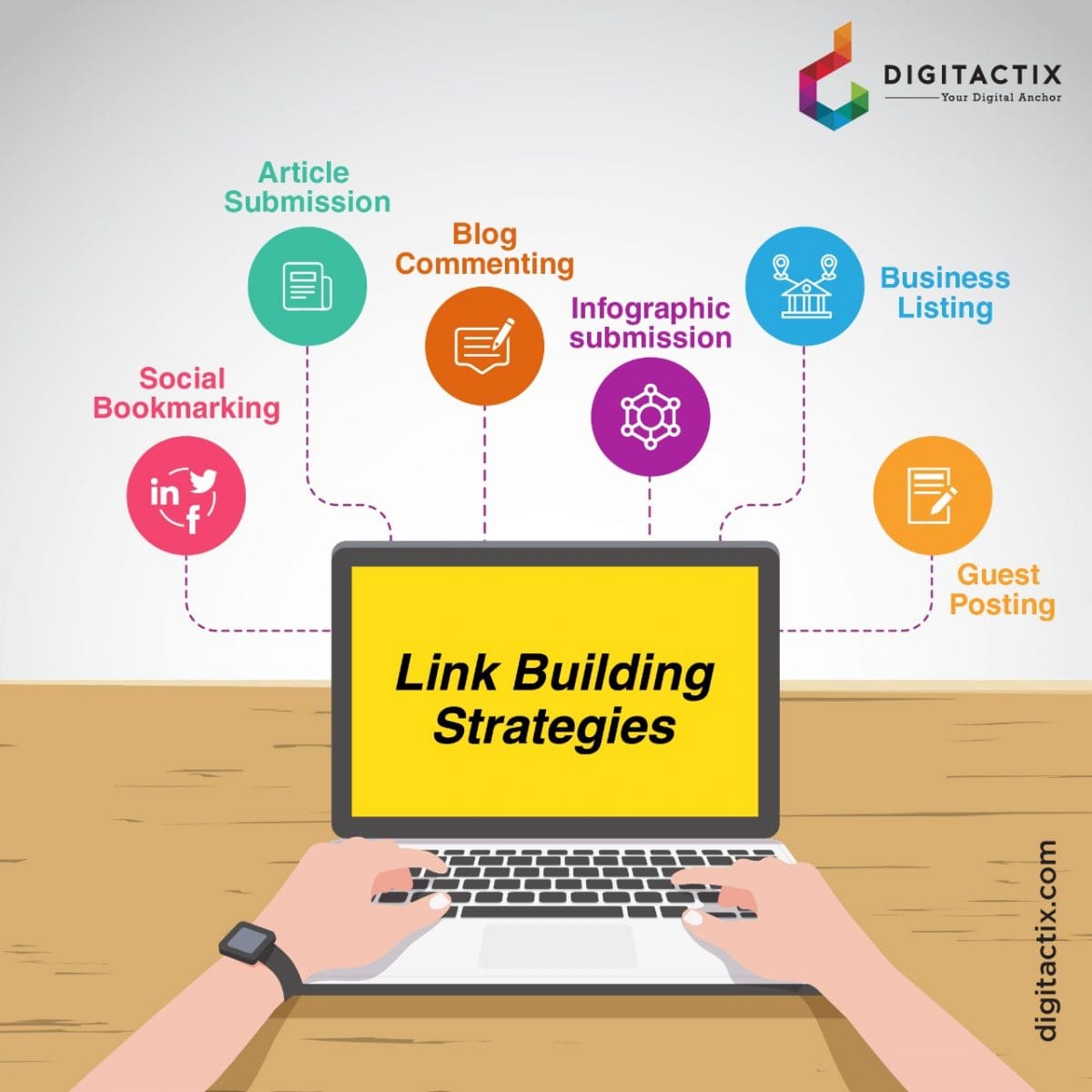
Are you looking to improve your website’s search engine optimization and boost your organic traffic? Look no further! In this article, we will be discussing the best practices for on-page SEO and link building. By implementing these strategies, you will be able to optimize your website’s visibility, increase its ranking on search engine result pages, and drive more traffic to your site. So, let’s get started on this journey to improving your website’s performance and reaching new heights of success!

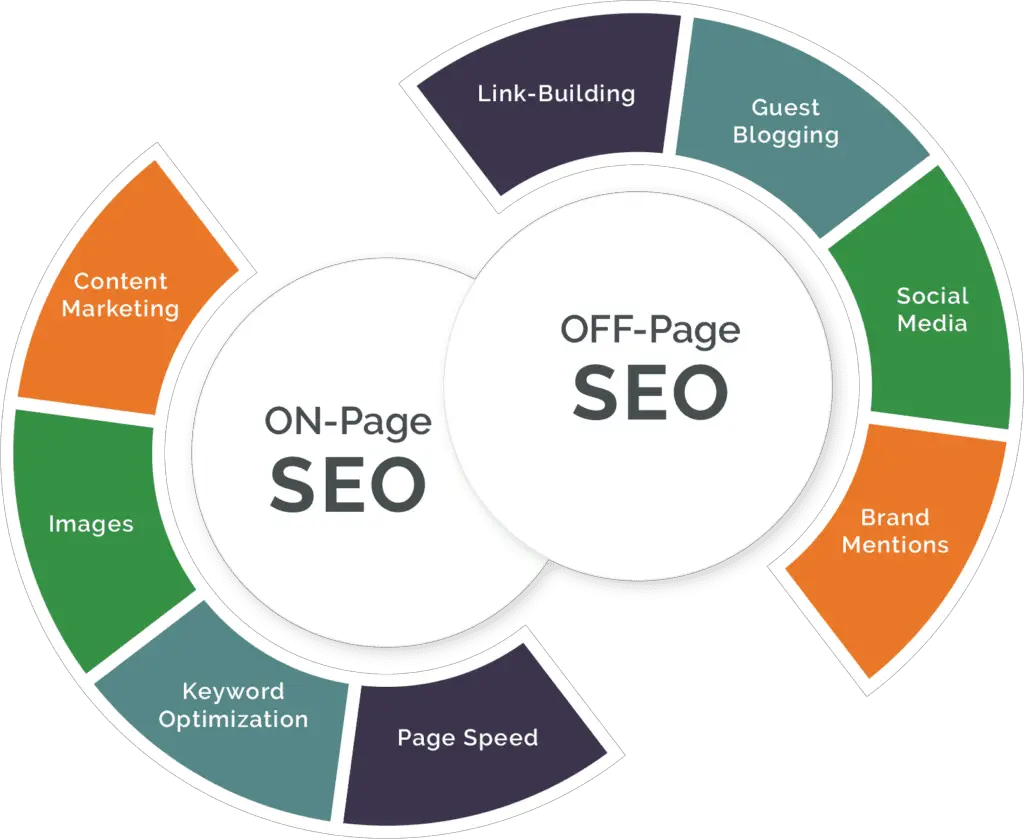
On-Page SEO
Optimize Page Titles and Meta Descriptions
One of the fundamental aspects of on-page SEO is optimizing page titles and meta descriptions. These elements provide search engines and users with a concise summary of the content on a webpage. To optimize your page titles, ensure they accurately reflect the content and include relevant keywords. Meta descriptions, on the other hand, should be compelling and informative, encouraging users to click through to your page.
Use Relevant Keywords
Utilizing relevant keywords throughout your website’s content is essential for on-page SEO. Conduct comprehensive keyword research to identify the words and phrases that your target audience is using to search for the products or services you offer. Incorporate these keywords naturally into your content, including in headings, paragraphs, and image alt texts, to improve search engine visibility and increase organic traffic.
Create High-Quality and Unique Content
Creating high-quality and unique content is crucial for on-page SEO. Search engines prioritize websites that provide valuable and original information to users. Develop well-researched and engaging content that is relevant to your target audience’s needs and interests. Additionally, regularly updating your website with fresh content demonstrates to search engines that your site is active and authoritative.
Ensure Proper Heading Tags
Properly structuring your content using heading tags is an important on-page SEO practice. Use heading tags (H1, H2, H3, etc.) to organize your content into sections and sub-sections. This not only helps users navigate your page but also provides search engines with a clear understanding of the hierarchy and relevance of the information. Be sure to include target keywords in your headings to optimize their SEO value.
Optimize URL Structures
Optimizing your URL structures can also contribute to improved on-page SEO. Keep your URLs concise, descriptive, and easy to read. Include relevant keywords in your URLs to give search engines a better understanding of your page’s content. Avoid using long strings of numbers or random characters in your URLs, as they can confuse both users and search engines.
Optimize Image Alt Text
The optimization of image alt text is another on-page SEO strategy that should not be overlooked. Alt text provides a text-based description of an image, which is beneficial for both visually impaired users and search engines. Be descriptive and use relevant keywords when writing alt text for your images to enhance their relevance in search engine rankings.
Improve Page Load Speed
Page load speed is a crucial factor for both user experience and search engine rankings. Slow-loading pages can lead to high bounce rates and negatively impact your website’s visibility. Optimize your website’s load speed by compressing images, minifying CSS and JavaScript files, and leveraging browser caching. Fast-loading pages not only keep users engaged but also improve your chances of ranking higher on search engine results pages.
Optimize for Mobile Devices
With the increasing use of mobile devices, optimizing your website for mobile is no longer optional – it’s necessary for a successful on-page SEO strategy. Mobile optimization includes responsive web design, ensuring that your website adapts seamlessly to different screen sizes and resolutions. Mobile-friendly websites provide a better user experience, leading to increased engagement and improved search engine rankings.
Utilize Internal Linking
Internal linking is an effective on-page SEO technique that involves linking to other pages within your website. By strategically incorporating internal links throughout your content, you can guide search engine crawlers to important pages on your site and establish a hierarchy of relevance. Internal linking also enhances user navigation, allowing them to easily discover related content and spend more time on your site.
Implement Schema Markup
Implementing schema markup on your website can provide additional relevant information to search engines, helping them understand the context and content of your pages. Schema markup uses a specific language to categorize and label elements of your website, such as products, events, recipes, or reviews. By implementing schema markup, you can enhance your website’s appearance in search engine results and improve click-through rates.
Link Building
Create Compelling and Shareable Content
To effectively build links, you need to create compelling and shareable content. Develop content that is informative, engaging, and provides value to your target audience. By consistently producing high-quality content, you increase the chances of other websites linking back to your site as a reputable source of information. Compelling content is more likely to be shared on social media platforms, attracting more visibility and potential backlinks.
Guest Blogging
Guest blogging is a powerful link building strategy that involves writing and publishing articles on other websites within your industry. By contributing valuable content to reputable blogs, you can attract new audiences and generate backlinks to your website. When engaging in guest blogging, be sure to choose websites that are relevant to your niche and have a strong online presence.
Develop Relationships with Influencers
Building relationships with influencers in your industry can significantly boost your link building efforts. Through collaborations and partnerships, influencers can amplify your content and help you reach a wider audience. By mentioning and linking to your website, influencers can drive traffic and provide valuable backlinks. Creating meaningful connections with influencers requires a genuine and authentic approach, so make sure to engage with them in a personalized and mutually beneficial manner.
Participate in Communities and Forums
Engaging in online communities and forums related to your industry can be an effective way to build links and establish your expertise. Contribute valuable insights and information to relevant discussions, and include links to your website when appropriate. By actively participating in these communities, you establish yourself as a trusted resource, which can lead to other members linking to your site.
Social Media Engagement
Social media platforms offer excellent opportunities for link building. By sharing your content on social media, you allow it to reach a wider audience and increase the chances of others linking back to your website. Actively engage with your social media followers by responding to comments and messages, and encourage them to share your content with their networks.
Broken Link Building
Broken link building involves finding broken links on other websites and reaching out to the site owners, suggesting your content as a replacement. This strategy requires conducting thorough research and identifying relevant websites with broken links. By offering valuable content as an alternative, you can both help the website owner fix their broken link and gain a high-quality backlink.
Local SEO and Citations
For businesses targeting a specific geographical area, local SEO and citations play a vital role in link building. Ensure that your business information, including name, address, and phone number (NAP), is consistent across online directories and review platforms. Building citations, such as claiming your Google My Business profile, helps establish the credibility and authority of your business, leading to increased visibility and potential backlinks.
Resource and Link Pages
Many websites have resource and link pages that provide lists of helpful websites or articles pertaining to a specific topic or industry. Research and identify these pages relevant to your niche, and reach out to the website owners to suggest adding your content as a valuable resource. By being listed on these resource or link pages, you can gain authoritative backlinks and increase your website’s visibility.
Skyscraper Technique
The skyscraper technique is a link building strategy that focuses on creating content that exceeds the quality and value of existing similar content on the web. Identify popular and highly linked-to articles in your industry, and create an improved version of that content. Once your content is published, reach out to websites that have linked to the original article, informing them of your superior content and suggesting they link to yours instead.
Monitor and Disavow Bad Links
Regularly monitoring your website’s backlink profile is essential to ensure the quality and relevance of your links. If you identify any low-quality or spammy backlinks that may harm your site’s SEO, you can disavow them using the Google Disavow Tool. Disavowing bad links signals to search engines that you do not endorse or engage in manipulative link building practices, protecting your website’s reputation and search engine rankings.
On-Page SEO and Link Building Integration
Ensure On-Page Optimization Before Link Building
Before focusing on link building efforts, it is crucial to ensure that your website is properly optimized on-page. Implement the on-page SEO best practices mentioned earlier, such as optimizing page titles, utilizing relevant keywords, and creating high-quality content. Having a solid foundation of on-page optimization sets the stage for successful link building initiatives.
Use Relevant Anchor Text for Backlinks
When acquiring backlinks, it is important to use relevant anchor text. Anchor text is the clickable text that contains the link to your website. Incorporate keywords or descriptive phrases that accurately reflect the content of the linked page. However, avoid over-optimization or using exact match anchor text excessively, as this may be seen as manipulative by search engines.
Link to High-Quality and Relevant Websites
When linking to external websites from your own content, it is essential to link to high-quality and relevant websites. Linking to reputable sources enhances the credibility and authority of your content, both in the eyes of users and search engines. Additionally, reaching out to these websites and informing them of your link can potentially lead to reciprocal links or future collaboration opportunities.
Focus on a Diverse Link Profile
Building a diverse link profile is crucial for long-term SEO success. Aim for a variety of link types, such as editorial links, guest posts, directory submissions, and social media mentions. Diversifying your backlink profile signals to search engines that your website is credible and authoritative, while also protecting against algorithmic changes that may penalize certain types of links.
Monitor and Analyze Backlink Performance
Regularly monitoring and analyzing the performance of your backlinks is essential for improving your link building strategy. Track metrics such as referral traffic, conversion rates, and search engine rankings to identify which links are driving the most value. This data can help you refine your approach, focus on high-performing strategies, and adjust or eliminate underperforming ones.
Regularly Update and Improve Website Content
To maintain a strong link building strategy, regularly update and improve your website’s content. Continuously providing fresh and valuable information not only enhances the user experience but also attracts more backlinks and social shares. Regularly audit your existing content to identify opportunities for improvement, such as adding new information, updating outdated statistics, or incorporating multimedia elements.
Avoid Black Hat SEO Techniques
Cloaking
Cloaking refers to the practice of showing different content to search engines than what is shown to users. This deceptive technique can lead to severe penalties from search engines, including being removed from search results altogether. It is essential to provide consistent and relevant content to both search engines and users, avoiding any form of deception.
Keyword Stuffing
Keyword stuffing involves excessively and unnaturally incorporating keywords into your content in an attempt to manipulate search engine rankings. This practice not only makes your content difficult to read and understand but also violates search engine guidelines. Focus on creating valuable and engaging content that naturally incorporates relevant keywords instead of stuffing them unnaturally.
Purchasing Links
Purchasing links is a violation of search engine guidelines and can result in severe penalties. While it may seem tempting to buy backlinks to quickly improve your website’s visibility, search engines are highly adept at detecting paid links and are actively working to devalue them. Instead of buying links, invest time and effort into organic and legitimate link building techniques.
Private Blog Networks (PBNs)
Private blog networks (PBNs) involve creating a network of websites solely for the purpose of building links to a specific website. This manipulative tactic is against search engine guidelines and can lead to severe penalties. Instead of relying on PBNs, focus on building genuine relationships, creating high-quality content, and acquiring organic backlinks.
Doorway Pages
Doorway pages are low-quality and keyword-stuffed pages created solely to rank highly in search results and redirect users to a different page. Search engines consider doorway pages as deceptive and manipulative, resulting in penalties and loss of visibility. Instead of resorting to this tactic, create useful and informative pages that provide value to users.
Link Farms
Link farms are networks of websites created solely for the purpose of generating backlinks. These low-quality websites often have little to no valuable content and exist solely to manipulate search engine rankings. Participation in link farms can lead to severe penalties. Focus on building legitimate and high-quality backlinks through organic, white-hat techniques.
Hidden Text and Links
Hiding text or links on your website by using techniques such as white text on a white background or tiny font sizes is seen as manipulative by search engines. This deceptive practice is against search engine guidelines and can result in penalties. Ensure that all text and links on your website are visible and relevant to users.
Duplicate Content
Publishing duplicate content, either on your own website or by copying content from other sources, is discouraged by search engines. Duplicate content provides little value to users and can lead to lower search engine rankings. Instead, focus on creating unique and original content that provides valuable information to your target audience.
Automated Content Generation
Automated content generation refers to using software or algorithms to create large amounts of low-quality content quickly. This tactic is against search engine guidelines and can result in severe penalties. Focus on producing high-quality and original content that is informative and engaging to users.
Sneaky Redirects
Sneaky redirects involve redirecting users to unrelated or malicious websites without their consent or knowledge. This deceptive practice is against search engine guidelines and can lead to severe penalties. Ensure that all redirects on your website are transparent, user-friendly, and relevant to the content being accessed.
SEO Tools and Resources
Google Search Console
Google Search Console is a free tool provided by Google that allows you to monitor and maintain your website’s presence in search results. It provides valuable insights into your website’s performance, including indexing status, search queries, crawl errors, and more. Utilize Google Search Console to identify and fix any technical issues that may impact your website’s SEO.
Google Analytics
Google Analytics is a powerful web analytics tool that provides detailed data about your website’s performance. It allows you to track your website’s traffic, user behavior, conversions, and more. By analyzing this data, you can gain valuable insights into your audience, identify areas for improvement, and make data-driven decisions to optimize your on-page SEO and link building strategies.
Ahrefs
Ahrefs is a comprehensive SEO tool that offers a wide range of features to improve your on-page SEO and link building efforts. It provides valuable data and insights on backlinks, keywords, content analysis, competitor research, and more. With Ahrefs, you can conduct in-depth keyword research, monitor your backlink profile, and track your website’s performance.
Moz
Moz offers a suite of SEO tools and resources to help improve your website’s visibility and rankings. From keyword research and on-page optimization to link building and rank tracking, Moz provides comprehensive solutions for all aspects of SEO. Use Moz’s tools and resources to identify relevant keywords, audit your website’s SEO, and track your rankings.
SEMrush
SEMrush is another all-in-one SEO tool that offers a wide range of features to optimize your on-page SEO and link building strategies. It provides insights into keywords, competitor analysis, backlink analysis, technical SEO audits, and more. Utilize SEMrush to identify new keyword opportunities, analyze your competitors’ strategies, and improve your overall SEO performance.
Screaming Frog
Screaming Frog is a powerful website crawler that allows you to analyze and audit your website for SEO issues. It provides detailed reports on key SEO elements, such as broken links, duplicate content, page titles, meta descriptions, and more. By using Screaming Frog, you can identify and resolve on-page SEO issues that may be hindering your website’s performance.
Yoast SEO
Yoast SEO is a popular WordPress plugin that helps optimize your website’s on-page SEO. It provides a user-friendly interface and offers features such as content analysis, meta tag optimization, XML sitemap generation, and more. Yoast SEO guides you through the process of optimizing your content and ensures that your website adheres to best practices.
Rank Math
Rank Math is another powerful WordPress SEO plugin that helps improve your on-page SEO. It offers features such as content analysis, meta tag optimization, XML sitemap generation, and more. Rank Math provides an intuitive interface and allows you to easily optimize your website’s SEO without requiring extensive technical knowledge.
Backlinko Blog
The Backlinko blog, run by SEO expert Brian Dean, is a valuable resource for on-page SEO and link building strategies. It offers in-depth guides, case studies, and actionable tips to improve your website’s visibility and rankings. By following the insights and strategies shared on the Backlinko blog, you can stay updated on the latest SEO trends and best practices.
Search Engine Journal
Search Engine Journal is a reputable online publication that covers a wide range of topics related to SEO and digital marketing. It provides up-to-date news, expert insights, and practical tips to help you stay ahead in the ever-evolving world of SEO. By regularly reading Search Engine Journal, you can stay informed about industry trends, algorithm updates, and cutting-edge strategies.
SEO Trends for On-Page Optimization and Link Building
User Experience (UX) Signals
User experience signals, such as dwell time, bounce rate, and page load speed, are becoming increasingly important ranking factors in search engine algorithms. Optimizing your website for a seamless user experience not only helps improve your rankings but also increases user engagement and conversions. Focus on providing fast-loading pages, intuitive navigation, and high-quality content to enhance the overall user experience.
Optimizing for Voice Search
With the rise of voice assistants like Siri, Alexa, and Google Assistant, optimizing for voice search has become vital. Voice queries are often longer and more conversational than traditional text searches, so incorporating natural language and long-tail keywords into your content is crucial. Additionally, providing concise and direct answers to popular questions can help you appear in featured snippets, which are prominently displayed in voice search results.
Mobile-First Indexing
Search engines now prioritize mobile-friendly websites in their indexing and ranking processes. As a result, optimizing your website for mobile devices is essential. Implement responsive web design, ensure fast page load speeds, and consider the mobile user experience when creating and optimizing your content. A mobile-first approach not only enhances your website’s visibility but also caters to the growing number of mobile users.
Featured Snippets and Knowledge Panels
Featured snippets and knowledge panels provide users with quick and concise answers to their search queries directly on the search engine results page. Optimizing your content to appear in featured snippets can significantly increase your website’s visibility and click-through rates. Focus on providing clear and concise answers to commonly asked questions, utilizing structured data markup, and organizing your content in a way that is easily scannable by search engines.
Video Content
Video content has emerged as a powerful medium for engaging users and improving SEO. With platforms like YouTube becoming the second-largest search engine, incorporating video into your content strategy is essential. Create high-quality and informative videos that are relevant to your target audience’s needs and interests. Optimize your video titles, descriptions, and tags to improve their visibility in search results.
User-Generated Content
User-generated content, such as reviews, testimonials, and social media mentions, can boost your website’s credibility and visibility. Encourage your audience to leave reviews or share their experiences, and incorporate user-generated content into your website. This not only builds trust with potential customers but also signals to search engines that your website offers valuable and relevant information.
Artificial Intelligence (AI) and Machine Learning (ML)
The integration of artificial intelligence and machine learning into search engine algorithms has revolutionized SEO. These technologies help search engines better understand user intent and deliver more personalized search results. Focus on creating high-quality and relevant content, optimizing for long-tail keywords, and ensuring a positive user experience to align with AI and ML-driven algorithms.
Social Media Influencer Marketing
Incorporating social media influencer marketing into your link building strategy can be highly effective. Partnering with influential individuals in your industry allows you to tap into their large and engaged follower base. Influencers can create sponsored content that promotes your website or products, increasing your brand visibility and driving traffic through backlinks.
Semantic SEO
Semantic SEO focuses on understanding user intent and providing relevant search results based on the context of the query. Search engines now prioritize content that comprehensively covers a topic and provides a thorough answer. Instead of focusing solely on specific keywords, create in-depth and comprehensive content that addresses a broad range of related topics. Properly structuring your content using subheadings, bullet points, and other formatting techniques can also enhance its semantic relevance.
Local SEO and Google My Business
Local SEO has become essential for businesses with physical locations. Optimizing your website for local search results can attract nearby customers and drive targeted traffic to your site. Claim and optimize your Google My Business profile, ensuring that your business information is accurate and up to date. Earn positive reviews and citations from local directories to improve your local search visibility.
Measuring SEO and Link Building Success
Keyword Ranking
Monitoring your keyword rankings is an important metric to measure SEO success. Use tools like Google Search Console, Ahrefs, or Moz to track keyword rankings for your target keywords. Regularly monitor your rankings and adjust your SEO strategies as needed to improve your positions.
Organic Traffic
Measuring organic traffic is crucial for assessing the effectiveness of your on-page SEO and link building efforts. Analyze your website’s overall organic traffic and track the traffic generated from specific landing pages or campaigns. Increasing organic traffic indicates that your SEO strategies are successfully driving users to your website.
Backlink Quality and Quantity
Monitoring the quality and quantity of your backlinks is essential for evaluating your link building efforts. Use tools like Ahrefs or Moz to analyze your backlink profile, including the domain authority of linking sites, anchor text distribution, and the ratio of follow vs. nofollow links. Aim to acquire high-quality backlinks from authoritative websites to enhance your website’s authority and rankings.
Conversion Rate
Measuring your website’s conversion rate is crucial for understanding the effectiveness of your on-page SEO and link building strategies in driving desired user actions. Track the number of conversions, such as leads generated, products sold, or email sign-ups, and calculate the conversion rate. A higher conversion rate indicates that your SEO efforts are attracting the right kind of traffic and encouraging user engagement.
Click-Through Rate (CTR)
Click-through rate measures the percentage of users who clicked on your website’s link from search engine results. Monitor your organic CTR to assess the effectiveness of your meta titles and descriptions in enticing users to click through to your site. Optimizing your meta tags and improving your website’s visibility can increase your CTR and drive more traffic.
Bounce Rate
Bounce rate measures the percentage of users who leave your website without interacting with it further. A high bounce rate typically indicates that users are not finding the information they are looking for or are encountering usability issues. Analyze your bounce rate and identify areas for improvement, such as enhancing the user experience, providing more engaging content, or optimizing your website’s navigation.
Dwell Time
Dwell time refers to the amount of time users spend on your website after clicking on a search result. It is a measure of user engagement and content relevance. Monitoring your website’s average dwell time can provide insight into the quality and relevance of your content. Consider optimizing your content to encourage longer visit durations, such as incorporating multimedia elements, creating detailed guides, or offering interactive features.
Return On Investment (ROI)
Measuring the return on investment (ROI) of your SEO and link building efforts involves assessing the costs incurred and the benefits gained. Calculate the financial impact of your SEO activities by considering factors such as increased organic traffic, improved keyword rankings, and conversions. By analyzing the ROI of your SEO efforts, you can make informed decisions about resource allocation and optimize your strategies accordingly.
Social Shares and Engagement
Monitoring social shares and engagement on social media platforms is an indicator of how your content resonates with your audience. Track the number of social media shares, likes, comments, and mentions to assess the popularity and impact of your content. Increasing social shares and engagement not only improves brand visibility but also increases the likelihood of attracting backlinks.
Brand Visibility and Awareness
An increase in brand visibility and awareness is a valuable outcome of effective SEO and link building strategies. Monitor your website’s impressions in search engine results pages (SERPs), social media mentions, and brand recognition to evaluate the impact of your efforts. Greater brand visibility indicates that your website is attracting attention and gaining recognition within your target audience.
Staying Up to Date with SEO and Link Building Strategies
Continuously Educating Yourself
The world of SEO and link building is constantly evolving, so it is important to stay updated on the latest trends, strategies, and search engine algorithms. Continuously educate yourself through online courses, industry publications, and reputable SEO blogs to ensure that you are leveraging the most effective techniques.
Monitoring Industry News and Updates
Stay informed about the latest industry news and updates to stay ahead of the curve in SEO and link building. Subscribe to industry newsletters, follow authoritative SEO blogs, and monitor reputable online publications to receive timely updates on algorithm changes, new trends, and best practices.
Participating in Webinars and Conferences
Participating in webinars and conferences provides valuable opportunities to learn from industry experts and network with peers. Join webinars hosted by SEO professionals or attend conferences dedicated to digital marketing. These events offer insights into emerging strategies, allow you to ask questions, and provide networking opportunities with like-minded professionals.
Joining SEO and Digital Marketing Communities
Joining SEO and digital marketing communities, either online or offline, allows you to connect with peers, share insights, and collaborate on SEO and link building strategies. Participate in industry-specific forums, join social media groups, or attend local meetups to engage with professionals who share similar interests and challenges.
Networking with Peers
Networking with industry peers and professionals is a valuable way to gain insights, exchange ideas, and explore potential collaborations. Attend industry events, join professional associations, or connect with SEO experts on social media platforms. Building relationships and engaging in meaningful conversations can lead to valuable knowledge sharing and opportunities for growth.
Experimenting and Testing New Techniques
SEO and link building involve a degree of trial and error. To stay ahead, experiment with new techniques, strategies, and tools. A/B test different approaches, track their effectiveness, and adjust your strategies based on the results. By testing new techniques, you can discover innovative ways to improve your on-page SEO and link building efforts.
Following Industry Experts on Social Media
Follow industry experts, thought leaders, and reputable SEO professionals on social media platforms like Twitter, LinkedIn, or Facebook. By following their accounts, you can gain valuable insights, access to industry-related news, and helpful tips and tricks. Engage with their content and join in discussions to expand your knowledge and stay updated on the latest trends.
Staying Agile and Adapting to Algorithm Updates
Search engine algorithms are constantly evolving, so it is crucial to stay agile and adapt your SEO strategies accordingly. Stay informed about algorithm updates and adjust your strategies to align with the latest requirements and guidelines. Being proactive and adaptable allows you to maintain and improve your website’s visibility and rankings.
Analyzing Competitors’ Strategies
Analyzing your competitors’ SEO and link building strategies can provide valuable insights and help you identify new opportunities. Examine their content, backlink profiles, social media presence, and overall digital marketing strategies. By understanding what your competitors are doing, you can differentiate your approach, identify gaps, and gain a competitive advantage.
Documenting and Reviewing Performance
Documenting your SEO and link building efforts and regularly reviewing your performance is essential for continuous improvement. Keep track of your strategies, goals, and key metrics, and regularly review and analyze your performance against these benchmarks. By assessing your results, identifying areas for improvement, and implementing necessary changes, you can refine your strategies for long-term success.

Building a Sustainable SEO and Link Building Strategy
Setting Clear Goals and Objectives
Start by setting clear goals and objectives for your SEO and link building efforts. Define key performance indicators (KPIs) that are aligned with your overall business objectives. Whether it’s increasing organic traffic, improving keyword rankings, or growing conversions, clearly defining your goals provides a clear direction for your strategy.
Conducting Comprehensive Keyword Research
Conduct comprehensive keyword research to identify the words and phrases your target audience is using to search for your products or services. Utilize keyword research tools to understand search volume, competition, and user intent. Incorporate these keywords naturally into your content to optimize your website for relevant search queries.
Auditing Existing Content and Link Profiles
Perform a comprehensive audit of your existing content and link profiles to identify areas for improvement. Assess the quality, relevance, and performance of your content, removing or updating any outdated or low-performing assets. Analyze your backlink profile, disavowing any toxic or spammy links that may be harming your SEO efforts.
Developing a Content Marketing Plan
Develop a content marketing plan that aligns with your SEO and link building strategies. Identify topics that align with your target audience’s interests, research keywords, and create a content calendar. Keep your content plan diverse and engaging, incorporating different formats such as blog posts, videos, infographics, and interactive content.
Creating an Editorial Calendar
Create an editorial calendar to ensure a consistent and organized approach to content creation and publication. Plan your content in advance, considering seasonal trends, industry events, and relevant topics. An editorial calendar helps you stay organized, maintain a regular publishing schedule, and ensure that your content is strategically aligned with your SEO and link building goals.
Implementing On-Page SEO Best Practices
Implement on-page SEO best practices across your website. Optimize page titles, meta descriptions, headings, and content with relevant keywords. Ensure proper URL structures, optimize image alt text, and enhance page load speed. By implementing on-page SEO best practices, you improve your website’s visibility and user experience.
Executing Link Building Campaigns
Execute well-planned and targeted link building campaigns to acquire high-quality backlinks. Utilize guest blogging, influencer collaborations, and broken link building strategies to attract relevant and authoritative links. Regularly track your campaigns’ performance and adjust your approach to optimize your link building efforts.
Monitoring and Adjusting Strategies
Regularly monitor and review the performance of your SEO and link building strategies. Analyze your key metrics, including organic traffic, keyword rankings, backlink profile, and conversions. Make data-driven decisions based on your performance, and adjust your strategies as needed to improve results and achieve your goals.
Tracking and Reporting Key Metrics
Track and report key metrics to measure the success and impact of your SEO and link building efforts. Prepare regular reports that highlight your progress, including changes in keyword rankings, organic traffic, backlink profiles, and conversion rates. Share these reports with stakeholders to demonstrate the value and ROI of your SEO initiatives.
Continuously Improving and Iterating
SEO and link building are ongoing processes that require continuous improvement and iteration. Stay vigilant about industry trends, algorithm updates, and evolving user behavior. Analyze your performance, gather feedback, and incorporate insights into your strategies to stay ahead in the dynamic world of search engine optimization.
Conclusion
Utilizing on-page SEO and effective link building strategies is crucial for improving search engine rankings and driving organic traffic to websites. By following the best practices discussed in this article, businesses and website owners can optimize their on-page SEO, build high-quality backlinks, and increase visibility in search engine results.
Regularly monitoring and adapting strategies based on industry trends and performance metrics will lead to long-term success in the ever-evolving world of SEO and link building. By staying up to date with the latest strategies, continuously educating yourself, and experimenting with new techniques, you can develop a sustainable SEO and link building strategy that drives meaningful results for your website.